-->
no
no
Showing posts with label Environment. Show all posts

BYO - Bring Your Own Singapore

No comments
BYO - Bring Your Own Singapore
Free Motion Embroidery

The environmental movement in Singapore is picking up pace, but after so many years of debate and discussion, we still don't have a plastic bag tax, or a plastic bag ban. For the past 10 years or more, NTUC Fairprice, our local supermarket, gives us 10 cents off our grocery bill if you bring your own shopping bag, but realistically speaking this doesn't incentivise people to stop using plastic bags.

I have a few friends who have decided to take things in to their own hands. We have the community group, Plastic Lite, and BYO Singapore, a campaign organised by Zero Waste Singapore to reduce plastic disposables. The campaign will get retailers to offer incentives for customers who bring their own reusable containers, bottles or bags. 

Plastics is a Worldwide Problem

It's not just in Singapore! It may be very convenient to get a disposable straw, plastic cutlery or plates, but the fact of the matter is they are made from non-renewable fossil fuels, and they don't biodegrade. If they end up in our waterways and they're not breaking down, they pose a threat to marine life and birds. Isn't it time to reduce and even better, stop the use of plastics?

Bring Your Own - BYO Singapore


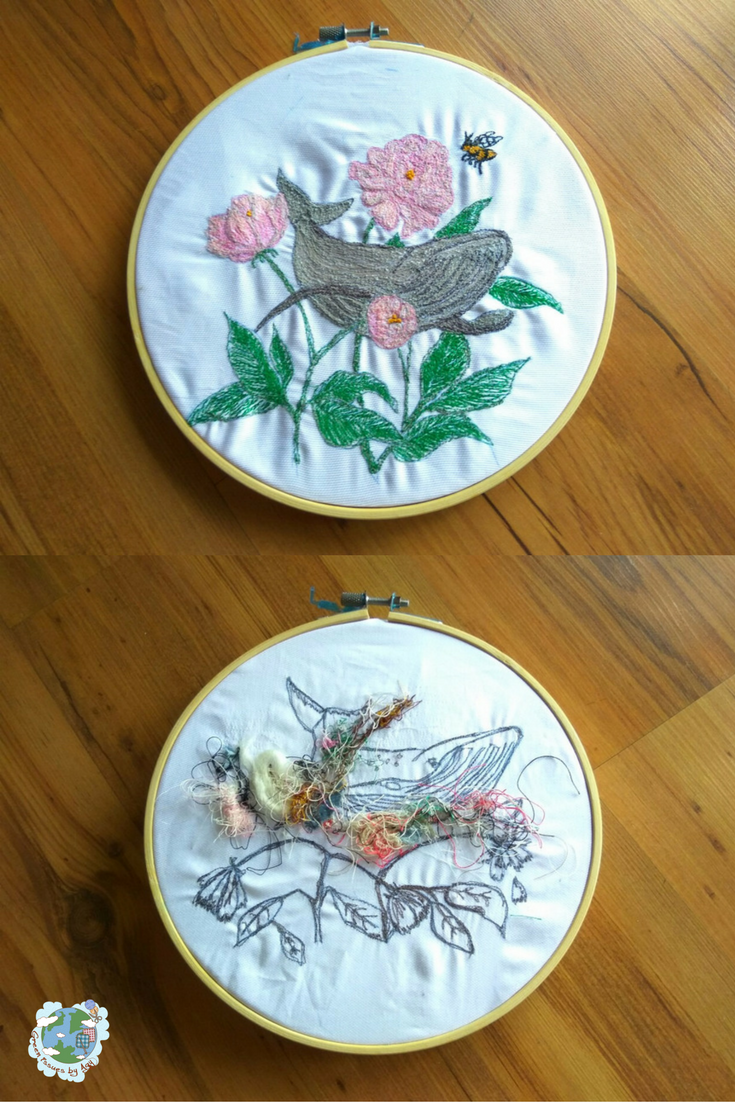
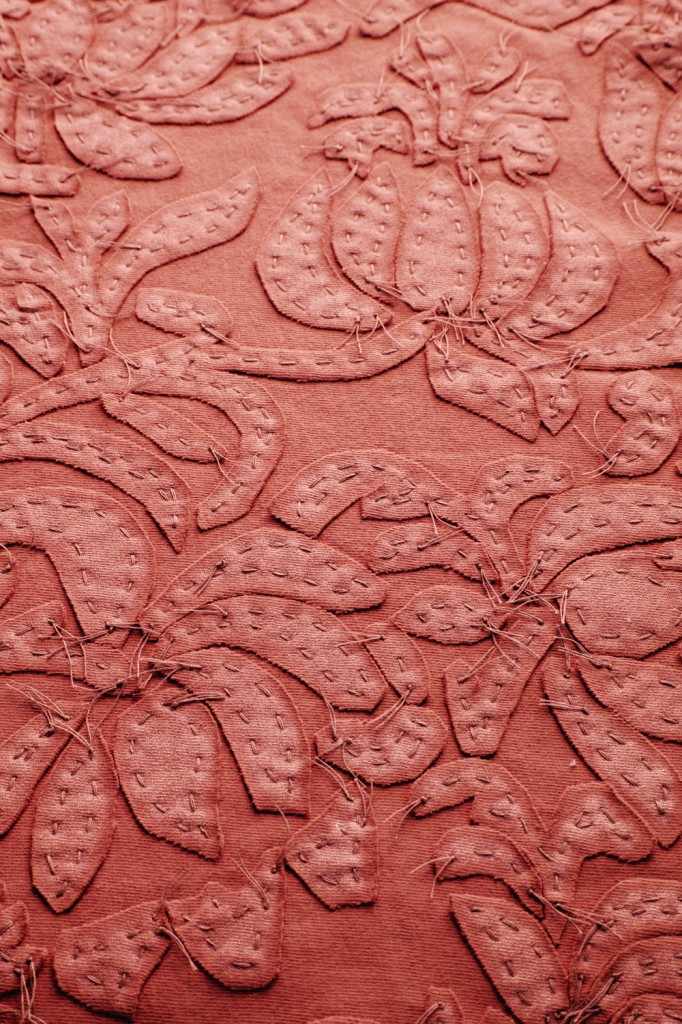
I decided to stitch the logo of the campaign as a gift to my friend. The logo comprised mostly of lettering and an image of a box, tumbler and bag.  I ended up with using a teal coloured scrap of jersey on which I layered a darker colour of cotton thread.  It wasn't filled up entirely as I thought it was a good idea to give the logo some depth.  On hindsight, I should not have settled on a woven piece of fabric because the jersey was so difficult to stitch (due to it's stretchy nature).

Free Motion Embroidery


The text and images were sewn on before the excess fabric were removed using a pair of small scissors. I adopted this method rather than applique because I felt the look was more organic.

Free Motion Embroidery

Support the Campaign


During the month of September:

1.  Post a picture of yourself using a reusable container, bag or bottle/cup

2.  Post a creative photo of yourself taking a pledge to use reusable containers when ordering takeaway or to carry a water bottle instead of buying bottled water for a week, etc.

3. Tag 1 (or more) people to take the BYO pledge after you!

Anthropocene vs Symbiocene

5 comments
Anthropocene vs Symbiocene
According to this paper, Earth hit levels of carbon dioxide (410ppm) on 18 April - a "climate change milestone" since records were made.  Not a happy milestone, mind you, but of course we don't need to be reminded of our fate as destruction (should it be exploitation?) is all around us. Yes, I said "our fate", and not the Earth's fate, because while the Earth can reset itself, humans will probably be wiped out.

I recently read "Confessions of a Recovering Environmentalist" in The Guardian.  Ian Kingsnorth, the author, says “This is bigger than anything there has ever been for as long as humans have existed, and we have done it, and now we are going to have to live through it, if we can.”  It does sound grim.

"we have created an “all-consuming global industrial system” which is “effectively unstoppable; it will run on until it runs out”. "

The age of Anthropocene is upon us. To be honest, there might be some truth to Kingsnorth's words. Having started working as an environmentalist so many years ago (okay, since the late 90s), I haven't seen much progress in terms of reducing consumption, we now have hazy days due to forest fires from our neighbour, a new incineration plant is coming up (but we already have 4), and recycling is still not getting anywhere.

Can we even exit anthropocene and move towards symbiocene? 

Here is an art collaboration that I did with Christine of Rhinestic Knick Knacks.
As you can see Symbiosis does not include humans. Anthropocene, well, you can see what humans can do.

Anthropocene vs Symbiocene


Materials used: old cotton t-shirt, thread scraps
Technique: free motion embroidery


Mega Kampung Balik - Want some fun next weekend?

1 comment


Are you and your family free next weekend (1 - 2 August)? 

Ground-Up Initiative (GUI) is having a 2 day carnival in celebration of Singapore's 50 years as a nation! I'll be there too, so drop by and say "hi", or pop by and learn some repair. Sign up details are below. 

Expect a series of programmes that promote community building and sustainable living, and give you and your family and friends a chance to get your hands dirty. There will be food, entertainment, a flea and farmers' market, DIY workshops (pre-registration required) and activities in the Craft, Play, Farming and Family zones to enjoy.

Be a part of Mega Balik Kampung! 
http://bit.ly/MegaBK2015
Register for exciting workshops here!  http://goo.gl/forms/BIV2WG2OaH

Help as a volunteer for Mega Balik Kampung! 


Design for Lower Chemical Impacts

11 comments
Design for Lower Chemical Impacts

Let's Talk Chemical Impacts.
Have you ever looked at the label on your clothes? Have you questioned what the garment is made of?
As designers, the choice of fabric and processes involved in textile production influence the environmental impact of the garment from the production of the textile, to garment production and eventually driving consumer care requirements. We are talking about chemical impacts, energy and water usage.  How can we design to minimise these?  This week we are talking about chemical impacts.

#1 Material Selection
I'll Wear Natural, I'll Wear Organic
Most consumers believe that by wearing natural or organic they will be chemical-free. Unfortunately, this is not the case; all textiles/garments are harmful to the environment in their own way and chemicals make their way into the life-cycle of a garment be it at the fiber production (e.g pesticides, herbicides, insecticides, sodium hydroxide), or during textile production / garment manufacture (e.g. dyes, formaldehyde etc to achieve certain finishes). Let's go into a few textiles:
Cotton - Organic vs Conventional
"Conventional (non-organic) cotton is grown and harvested using heavy quantities of chemical fertilizers, pesticides and herbicides in production to maximize efficiency and output.
Conventional cotton is one of the most chemically dependent crops, using 16 percent of all insecticides used for global food and fiber production n It takes 1/3 of a pound of chemicals to produce enough cotton for a t-shirt, and 3/4 of a pound for a pair of jeans.
Three of the 10 most acutely hazardous insecticides are commonly used chemicals to grow cotton"  Natural Resources Defense Council

Cotton

If you are choosing organic, bear in mind that it is not chemical-free. Read up on the standards your chosen organic textile is certified under. Remember, most standards state which chemicals are allowed/approved for use.   An example is the Global Organic Textile Standard (GOTS), which clearly defines what is allowed for use or prohibited. 

Bamboo - Mechanical Vs Chemical Processing
One of  my friends swears by bamboo as the crop does not require pesticides or insecticides; she also loves it because it is soft and silky and more breathable than cotton. 
However, when sourcing for bamboo textiles, always do your research; not all of them are created equal.
bamboo
Bamboo textiles can be created either mechanical or chemical processing.  The mechanical process is very eco-friendly and only relies on the bamboo's natural enzymes to break down the bamboo into a mush before fibers are combed out and spun. The chemical process, however requires carbon disulfide to turn the cellulose into a gel. Sodium hydroxide is then added to "spin" fibers.  This process, known as hydrolysis alkalisation, is less time-consuming than the mechanical process, but it is also highly toxic.  According to Patagonia:    

"The solvent used for this process is carbon disulfide, a toxic chemical that is a known human reproductive hazard. It can endanger factory workers and pollute the environment via air emissions and wastewater. The recovery of this solvent in most viscose factories is around 50%, which means that the other half goes into the environment. Other potentially hazardous chemicals are also used in the viscose process, including sodium hydroxide and sulfuric acid."
  
GOTS also has this to say about bamboo:

"For almost all bamboo fibre used in industrial textile production not the natural bamboo is used but it is melted and regenerated in a viscose / rayon process and can therefore not be considered as natural or even organic fibre, even if the bamboo plant was originally certified organic on the field. In consequence in GOTS certified textiles bamboo fibres can only be used for the tolerated remaining balance of conventional fibers. If the rayon is made from organically grown bamboo up to 30% may be used for the label grade ‘made with organic materials’. These rules apply to regenerated fibres derived from any other raw material source (e.g. wood, cotton lints, soybean, milk) as well. Users of bamboo (and other regenerated) fibres should also be aware about the legal labelling requirements in their sales markets. In the US, the FTC (Federal Trade Commission) has clarified that if bamboo is produced through rayon process these fibers must be called rayon and not bamboo"

Fashion Incubator  is a good reference if you want to avoid trouble when using bamboo fabrics.

Polyester
Polyester is the most popular synthetic textile and is made from crude oil. Oh, and don't forget, it is CHEAP! If you recall your science class at school, the formation of polyester involves catalytically transforming monomers to a polymer. The whole process involves a lot of energy and chemicals as shown below, and releases Volatile Organic Compounds into the environment. A good read up about it can be found here.  Unfortunately, these chemicals (including catalysts, such as antimony, which is toxic) can persist in textiles and come in contact with the skin of people using the finished textiles. It is without a doubt, the process is an environmental and public health burden.

What choices are there? Again, it pays to do your research! There are polyester textiles that are manufactured using antimony-free catalysts. According to the Eco Forum, " EU Eco-label system requires limitations on the use of polyester catalysts – however does not exclude them. The maximum content of antimony in polyester fibres is limited to 260ppm with the EU Eco-labelling criteria, while the Oeko-Tex standard limit is 30ppm."

#2 Cleaner Processes

Does your fabric supplier have water treatment facilities in place? 
I think this is a very important question to ask when sourcing for fabrics. Before any waste water effluent is discharged, it must be treated. Not treating it would be detrimental to the environment and to public health.

No Dyes?
Why not opt for undyed or colour-grown fabrics? Others ask why not use natural dyes instead of synthetic ones? Well, natural is not synonymous with healthy or green. And it definitely does not mean that it was organically grown or sustainable. In fact, the use of natural dyes requires toxic mordants to fix them into the fibers.

Are there technologies that can reduce the need for chemicals in the garment industry? The Guardian recently wrote and article about technology that reduces water consumption in the dying process. I think these reduce the amount of polluting dyes used too as traditional dyeing methods are inefficient. Other advances include ozone technology instead of conventional bleaching methods (e.g. for denim textiles), using heating methods as a dyeing technique and laser technology for adhesives.

Dry Jeans

Are there any other ways to lower the chemical impacts in the industry?

This post is part of the Fashion Designers Do Good series.

Design for Minimal Waste (Pt 2)

4 comments
fashion designers do good


Fast Fashion Means More Waste

"80 billion items of clothing are manufactured worldwide each year"
European Year for Development 2015

Today the fashion industry is about creating new clothing lines every 2-3 weeks, and unfortunately, we have responded positively to this business model. We voraciously consume whatever is the trend of the season (or possibly day!), and this habit has generated mountains of clothing waste. 
Are you guilty of throwing out clothes that are just worn a few times.......
..... that are slightly worn......
maybe even if it has just lost a button.....?
Why are we now a generation of consumers that purchase based on quantity rather than quality? 
A Cambridge University study reports that "in 2006, people were buying a third more clothes than they were in 2002, and women have four times as many clothes in their wardrobe than they did in 1980. Women are also getting rid of similar amounts each year." 


Can Fashion Designers Influence Post-Consumer Waste? 


Last week we looked at how fashion designers can make decisions to minimise pre-consumer waste, so what about minimising post-consumer waste?


#1 Design for Durability


In the race for cheaper and faster, something has to give, and this means garment quality (amongst other things) is compromised. According to WRAP's Design for Longevity, there are four areas in which designers can make changes to prolong the life of garments:

a) Size and Fit
Undamaged garments are primarly discarded because they no longer fit, but designers can help increase their longevity if the clothing can be easily adjusted.

Being constructed of individual panel shapes, a garment can be designed for future alterations to fit an individual's shape. Let's take a leaf from:    

  • the 1800s when scraps of fabric were used to extend the hem and increase the girth of the garment as children grew taller, or adults grew larger in the middle! 


  • the adjustable waist bands that are commonly found in children's trousers. Can we apply the same for adult trousers?

Source: Speedbargains.com

  •  The Shoe That Grows -  I find this inspiring. These are shoes designed to be adjusted up to 5 sizes as the child grows older, and lasts 5 years.  Although they are designed for use in impoverished countries, they would be great everywhere! 

Source: The Shoes That Grows

b) Fabric quality - good quality textiles means longer lasting clothes, but it also means using the appropriate stitches.
c) Colours and Styles - everyone loves classic or timeless styles. I discovered the 30-year sweater! Now doesn't this look classic to you? Let's design things that people want to wear.


Source: http://blog.pier32.co.uk/2015/06/introducing-30-year-sweatshirt.html

d) Care - how we care for our clothes affects their lifespan. Designers and retailers can inform customers how to launder and even store the clothes via proper labeling or even online or in-store information.  I share my tips here. 

#2 Design for Emotional Durability

Garments can be physically durable, but how can we promote a garments' lifespan through emotion? 
Clothes protect us from the elements, but they are more than that. They give us our identity, define who we are both culturally and professionally.
Can we create clothing that is more meaningful to the wearer ..... something emotionally durable

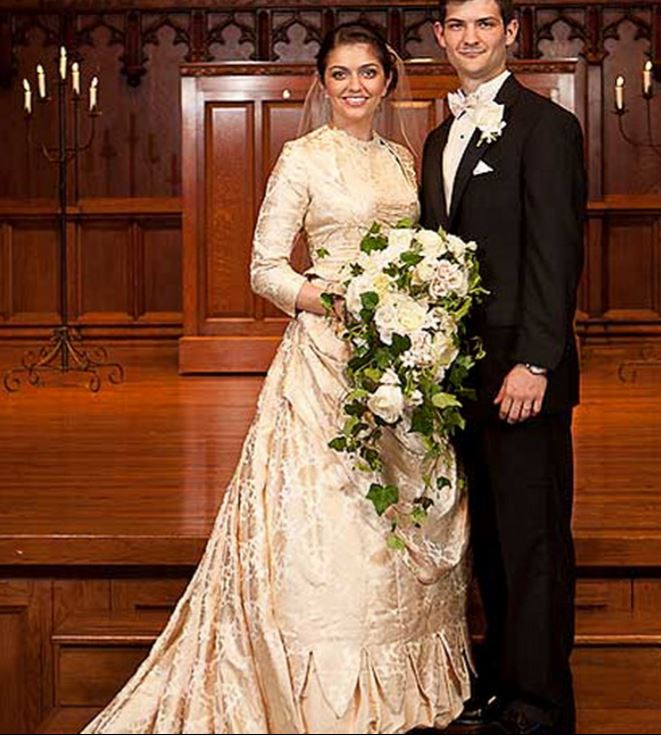
  • Case in point, why do wedding dresses get passed down and worn by the next generation? Allison Rinaldi wore her great grandma's.

Source: Ecouterre


  • Patagonia and The North Circular develop an emotional connection between their clients and the product through customer stories, and maker stories, respectively.
  • Companies such as Project Repat, provide services to enhance that connection by remaking things, in this case cherished but worn out t-shirts, into quilts.

Meet your knitters at The North Circular


#3 Design for Repair


Today, most wearers don't typically repair their clothes, but then they probably don't notice the plastic packet of buttons or swatch of fabric that comes with it. We need more than that to nudge people to repair their clothing.  In fact some companies such as Patagonia and Nudie Jeans offer free repair services for their clothing lines as part of their customer service. Others even offer a full repair guide on on-line!


Next week I'll be looking at how the fashion designer can contribute to the circular economy. Stay tuned!


Design for Minimal Waste (Pt 1)

2 comments
Design for Minimal Waste (Pt 1)
minimal waste design


"Designers have privileged access to the production process since they are responsible for specifying up to 70 percent of subsequent material and production processes in any given project. " Source: McAlpine


As a little girl I used to watch my mother sew dresses; she would take her time to ensure that the patterns were laid out in such a way on the fabric to minimise any potential waste. She would pause,  do some mental arithmetic and then go back to placing the patterns. I'm sure there's a formula for this!

"You don't want to waste something that is so beautiful and costs money" 

It's true, why do you want to chop up a piece of fabric only to have most of it end up in your bin?

Design for Minimal Waste

15% of textiles end up on the cutting room floor, but consumers also throw out a lot more garments every year too, not to mention the newly bought clothes that sometimes don't get worn or end up in the bin.

As designers we can design for minimal waste, impacting both the pre-consumer and post-consumer end of the supply chain. This week we look at the pre-consumer end of the supply chain.

Pre-consumer

Note - The techniques I share below are new ones. In fact, if you familiar with knitting or crocheting, these are both techniques that actually minimise textile waste - you are creating the textile to fit the garment rather than cutting it out from a roll of fabric! For example, some manufacturers have circular knitting machines to create t-shirts. 

#1 Zero-Waste Pattern Cutting
zero waste

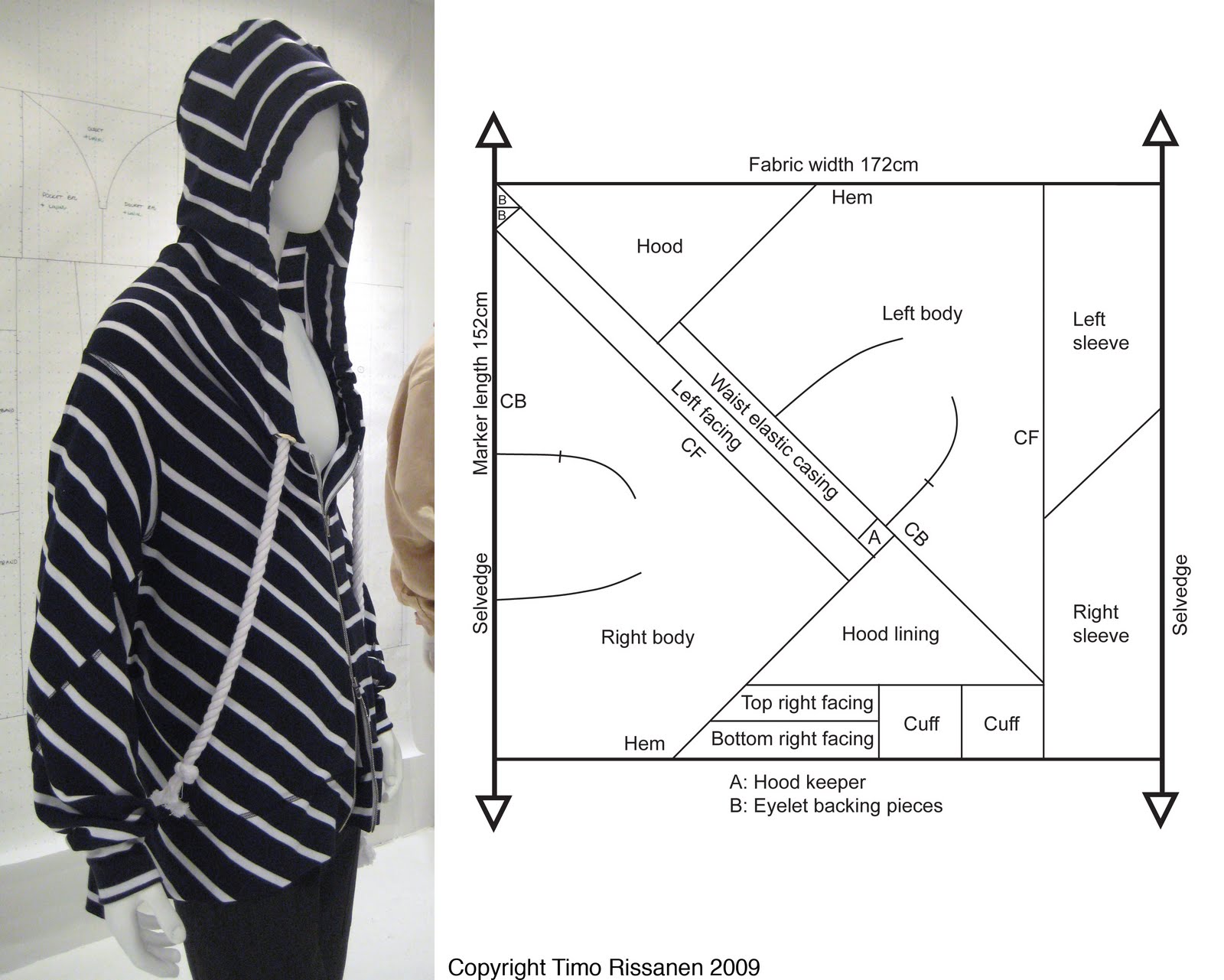
Timo Rissanen explored and uses zero-waste pattern cutting. I had blogged about Rissanen in 2009 when he first published his zero-waste pattern cutting concepts.  Basically, an entire garment can be cut from fabric with NO waste, as you can see from this image (courtesy of Timo Rissanen). Isn't this amazing?


Rissanen is not the only designer who explores this concept. Others include Holly McQuillan and Daniel Silverstein who explores different types of draping techniques, which leads me to the next technique which I think is equally amazing...

#2 Subtraction Cutting 


This technique was developed by Julian Roberts.  There is no traditional pattern in Roberts' technique but "the resulting shape of the garment is created by the removal of fabric rather than the addition of fabric and therefore the creation of negative space which the body occupies".  It involves three concepts of the tunnel, plug, and displacement, and the resulting garments are more voluminous and less seams. I think the looks is very experimental though but some of the designs come out great!  My only concern is what happens when you need to do alterations; there are no seams.....

subtraction cutting
Source: Julian Roberts

#3 Transformational Reconstruction

If you are a lover of Pattern Magic books, you might have seen this technique by Shingo Sato. The designs and patterns are extraodinary in the sense that no darts and seams are needed. I'm not sure whether this technique would constitute a minimal waste design, but take a look for yourself here

#4 Upcycling Pre-Consumer Textile Waste


Off-cuts, end-of-rolls, cut-and-sew waste (ie the 15%) and the textile samples all can be upcycled into something. Orsola de Castro uses cut-and-sew waste to create her collections, while Alabama Chanin by Natalie Chanin uses off-cuts for some of her signature applique creations. 


alabama chanin
Courtesy of Alabama Chanin

#5 Take a Leaf from Cultural Costumes

To be honest, some of the best zero waste designs are from cultural costumes, and these are based on the rectangle block. Perhaps designers should draw inspiration from these cultures.

Indian Saree 

Sarong wrap 

African Kente

Kimono

Chinese qipao - I added this because before the qipao was influenced by Western tight-fitting forms, it was very baggy and based on the rectangle block. 


Source: http://alphahistory.com/chineserevolution/introduction-to-china/


Next week we look at how the designer can design for minimal waste from the post- consumer angle.


Can We Solve the World's Problems with Artivism?

5 comments
"Art is the ultimate platform for sharing important messages and starting conversations around hard to discuss issues. I went to this event feeling, overwhelmed, oppressed, depressed, and enraged with the system that is selective at best around the issue of justice. I left feeling both engaged and empowered. "


Vanessa of SweetLeigh recently posted about her visit to the Manifest Justice Exhibit, Los Angeles, and it got me thinking...


"Can we solve the world's problems with artivism?"


But what is Artivism?

Artivism is art used to convey messages and emotion, push for change, and bring about awareness to issues such as environmental, social and even political. 

Here are some examples of political artivism that I witnessed on the streets of Hong Kong during last year's Umbrella Movement. 


Lennon Wall

Artivism is a powerful medium

Art evokes a lot of emotion;  think about how a singer's voice can move millions, or how the Lennon Wall encouraged protestors to stay strong. It doesn't matter whether it is a painting in a museum, a song, a movie or street art, artivism is a powerful medium. 

When a message is beautifully expressed through art, it gets people thinking and it starts a conversation!

Art is also documented, and so even if the movement has physically stopped, it continues to live on through these pieces. 

Artivism brings people together
The only common language is .... art! 

Artivism is a voice for the environment
Environmental artivism can be as disruptive as political artivism.  One of the most powerful pieces of environmental artivism is the Dying Swan, a Green Peace ballet performance against fracking. 


I think this is one of my favourites. It was part of the UnEarthed Exhibition in Singapore (Singapore Art Museum). Singaporean children are under immense stress due to the pressures to excel in school. The artist likens it to a piece of knitting - a lot of tension! The knitting is also green to highlight that our environment is also under stress the same way our children are, and of course, it is all due to man.

The effects of Singapore's environment on children
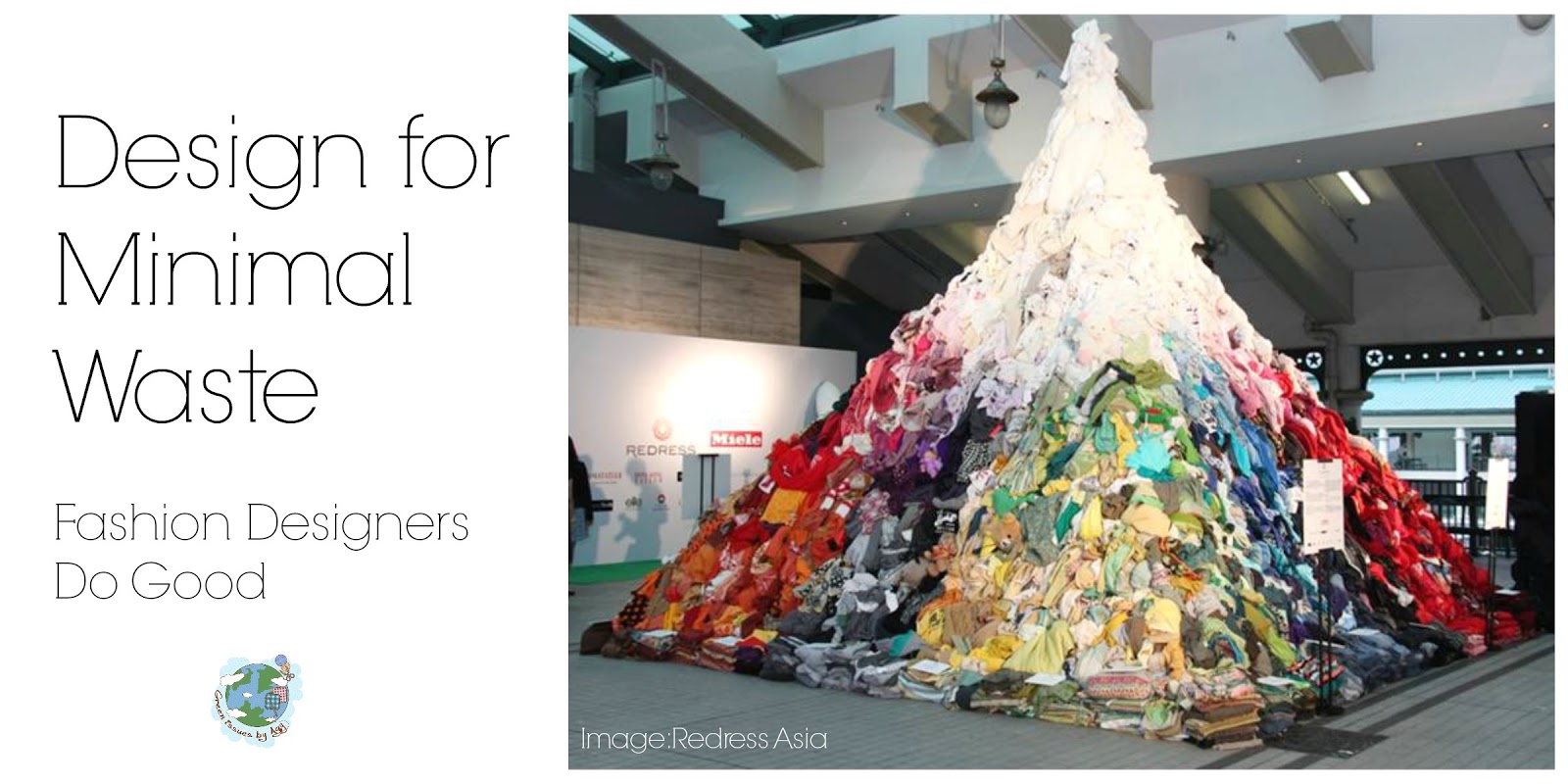
Another installation that really hits home is the mountains of clothes "7.5 tonnes" exhibited at the Star Ferry in Hong Kong by Redress Asia a few years ago. Can you imagine the impact of this on people? Do you think they will feel affected to the point they will feel empowered to do something about it?


Redress Asia


What do you think? Can we solve the world's problems with artivism?

Tips on Caring for Your Clothes

20 comments


In one of my Fix It Friday posts, I mentioned the importance for caring things. Why do we need to take care of our clothes? Well, not only will it make our clothes last longer, it will make us look better too.  I asked readers what there thoughts were. 

Don't Launder Every Time You Wear Them


One reader mentioned washing their clothes less frequently, and I definitely agree with that thought. All too often we throw on a pair of jeans and t-shirt just to go get the groceries, or dress up for a lunch appointment, and then when we get back home these clothes get chucked into the laundry basket even though they have been worn for just an hour so. They may need laundering if they are soaked in sweat or smell, but sometimes they don't!  


Don't Wash Your Jeans


Perhaps a little extreme, but that is what Levi's CEO Chip Bergh said. Tommy Hilfiger dished out the same advice too. They recommend spot cleaning them, and even freezing them to kill the germs. I haven't tried this out, but I don't know how this would work out in hot and humid weather.  For those of you who are willing to give this a go, you might want to check out this article from Smithsonian.com


Here's my advice


How do you take care of your clothes? 

Linking up to:
300px+turn+it+up+button+copyMommyzoidCrafty Wife

RIP Lee Kuan Yew

No comments
I didn't grow up in Singapore so I didn't witness the transformation of this nation from a slum city into a gleaming metropolis. But my relatives and friends tell me of the days when night soil was common, the Singapore River was putrid, and, believe it or not, cholera was widespread. Street hawkers operated next to canals, taking advantage of them as "free" rubbish dumps, while illegal dumping was rampant. 

Singapore's environment is so green today because of the foresight that it's first Prime Minister, Mr. Lee Kuan Yew, had to make environmental protection a priority. He was determined that it should happen.


There were several milestones that led to the successful greening of Singapore.

#1 1963 Launch of the annual Tree Planting Campaign 
#2 1970 Set up the Anti-Pollution Control Unit under the Prime Minister's Office
#3  1972 Set up of Ministry of the Environment - Singapore was one of the first countries to form a ministry dedicated to protecting the environment
#4  1972 Building of hawker centers and relocation of street hawkers.
#5  1975 Parliament passed the Water Pollution Control and Drainage Bill requiring all waste water to be discharged into sewers. Works on extensive sewerage system.
#6  1980s Clean up of the Singapore River
#7  1987  Last night soil collected!

RIP, Mr. Lee. 

Who is going to recycle now?

2 comments


Do you live in an HDB flat? Do you know how many of your neighbours recycle? Previously, you could spot the recyclers in your estate by observing (or is it spying on!?) whether they would put out the official recycling bag every 2 weeks for the waste collector to pick up. I think this gave a little neighbourly pressure, and perhaps a bit of competition, especially when kids were concerned! From 1 June, however, my estate won't have the fortnightly doorstep collection. In fact, we will now be required to deposit our recyclables at a recycling bin just below our block. Now that we won't get an official bag to put our recyclables, will my neighbours remember to recycle at all? Will it become a hassle for them to take their recyclables downstairs? Hubby has decided to use our own plastic bag to hold the recyclables before taking them downstairs. I mean, it doesn't make sense to carry down individual items, right? Maybe we should just get an old cardboard box from the supermarket.  

Do you think this change means fewer people will recycle? How are you collecting your recyclables now that we don't have the recycling bag?

Linking up to:

Balik Kampung

2 comments
Photo courtesy of Farah

I think it's well known that city life really takes a toll on our health - long working hours, feeling trapped in a concrete jungle, and people generally rushing around without consideration for others. The whole family had been feeling quite anxious and stressed over the past few weeks, with my son's primary school exams (which just finished last Friday) and work. We decided to take a break - it was a choice between popping over the border to Johor Bahru, Malaysia for a few hours (another concrete jungle, what were we thinking?), or de-stressing in natural surroundings.  We chose the latter, and we made the right choice. 

We signed up for Balik Kampung at Ground Up Initiative, Bottle Tree Park. 


Some of you might have heard that the place was closed down in April as the land has to go back to the government for redevelopment. Fortunately, they have been given a slight reprieve .... until.... I am not sure when!

When we arrived at 9am, we began the session with morning exercises (I think to keep us awake!) and then we were split into groups according to our interests. We had the choice of cooking a vegetable-based lunch, woodwork or farming.  We chose woodwork, and we got to make our own board game for GUI's Kampung Play programme. I could tell my son had a great time with the drill, hammer, saw and sand grinder.  We ended off the session with a scrumptious lunch the other volunteers had made, but not before spending some time to reflect at GUI's very own pond (see picture above), and wading through a knee-high stream (much to my son's delight!). 

We had a very enjoyable time and would definitely go back again. More importantly, I felt closer to nature and de-stressed!  Register at this link to take part! 

The stream!
Photo courtesy of Ground-Up Initiative
PS: You may notice the lack of photos in this post as the family had decided to make it a digital-free session! :-)

3 Ways to Nurture Creativity & Eco-friendliness in Kids

No comments


There has been this on-going discussion in Singapore on why we do not see as many successful entrepreneurs or inventors as compared to the West. The fact is, creativity is seen as one of life's necessary skills. Education experts are saying that we should start nurturing the next generation from very young, get them to be creative and reduce rigidity and rote learning - for readers who live outside Asia, rote learning is a very common characteristic of the Asian schooling system. Previously it was thought that you needed to teach creativity to kids, but  "all students can think well and be creative"  - you just need to nurture it!  Here are three ways to get them creative and learn about the environment at the same time:

It's not about the money, money, money!

3 comments

This morning, I woke up to find a very interesting article in Today, "Why the Danish mermaid is happier than the Singapore Merlion".  Apparently, the World Happiness Report ranked Denmark as the happiest nation in the world, while we were ranked at number 30.  

Refashioning - Boys Can Sew!

24 comments
I've always wanted to get my son involved in refashioning but never had the chance to until last weekend. At the beginning of the year, he told me he wanted to learn how to use the sewing machine  and I was very happy that he mentioned it (although secretly I think it's because stepping on the pedal is very much like driving a car!)!


So, we ended up doing some cutting, painting and a little bit of sewing.  Two hours later, we ended up with a "new" pair of shorts, a very happy kid, and a proud mummy. This is an easy peasy project.  Click below to read more!

Is there a Gangnam Style for the Environment?

No comments
I think most of us, if not all, know what Gangnam Style is.  For those who have not been affected by the craze (you'll probably be glad), it's a Korean teen-bopping song sung by a not so teen-looking Korean man called Psy.  And, while he's rapping, he's dancing as though he's on a horse - craziness, right?  If you want to see him in action, just google Gangnam Style by Psy.

But why am I talking about Gangnam Style?  Well, I was really amazed how a really cheesy, if not ridiculous-looking dance move, can become extremely popular in under 6 months - he's hit 473,505,570 views as of today (that's too big a number to translate into words!!).  Not to mention that the majority of us do not have any idea what Psy is rapping about unless someone translates it for us.  Suddenly, people across the globe are making Gangnam Style parodies, the famous (e.g. Britney Spears, Ellen) want to learn the new moves, and even the schools are teaching the kids how to dance it (well, at least in my son's school!).  Someone press the STOP button, please!  Why can't we get the same kind of response when it's about environmental issues that need to be tackled immediately?  Are we saying that we'd rather be associated with a horsey move (no offence to Psy) than a green movement?  We need a gangnam style response for the environment!!

no
no