A few weeks ago I was reading Clothing Poverty by Andrew Brooks. One of the things that stood out was how people today perceive clothes that are passed on and resold. How the garments are regarded and valued is very much dependent on how they are presented and labeled to the consumer. What do you think qualifies as secondhand clothing?
Secondhand or Vintage?
Most people would not give secondhand clothing another chance - "secondhand" gives the impression of being very old, worn out and not properly taken care of.
"Secondhand" by definition means an item having had a previous owner. By the same token, "vintage" would then be considered secondhand. So why is vintage's perceived value much higher than secondhand clothing in general? If an item from a thrift store was sold at a vintage shop or labelled as "vintage", would the consumer regard it more highly? I spoke to Jasmine Chee of Dark Horse Vintage to find out what vintage really means and what to look out for! This is Part 1 of a two part series on Vintage. Look out for the 2nd part next week! here.
A Treasure Trove - Dark Horse Vintage
This little gem is nestled right in the heart of Arab Street (31 Arab Street to be exact) and I chanced upon it when I was visiting their upstairs neighbour, Touch the Toes. When I first met Jasmine she had on the full works of a vintage lover - rolled hair, bright red lips, and an unforgettable outfit! Here she is:
 |
| Jasmine Chee, Dark Horse Vintage [Image credit: Dark Horse Vintage] |
Addicted to Vintage
I'm not a vintage addict (handmade and upcycled is more me) but Jasmine is and her journey began during her student days in London where the vintage culture is big. Her initial reaction was "eeew, secondhand", but she slowly embraced the unique beauty of the prints and textures that came with vintage clothing, and today, over half of her wardrobe is vintage. Jasmine says she is now very comfortable wearing vintage, although sometimes she mixes and matches vintage with contemporary pieces.
It wasn't long after finishing her fashion and textile studies that she returned to Singapore and decided to set up Dark Horse Vintage in 2012. She initially took a cautious approach by operating as a pop-up, but this gradually grew as Singaporeans responded warmly to her offerings, and by 2015 she had set up a brick and mortar shop in the heart of Bugis.
How Would You Define Vintage?
I think we all get confused by the terms, but Jasmine gave me the low down and put it simply as:
- Vintage: more than 30 years old so we are talking about before the early 80s
- Antique: at least 100 years old
- Secondhand: from 2 seasons ago or something from 2 - 3 years ago
So from these definitions, vintage is not secondhand, but secondhand would eventually become vintage!
What Do We Look Out for in Vintage?
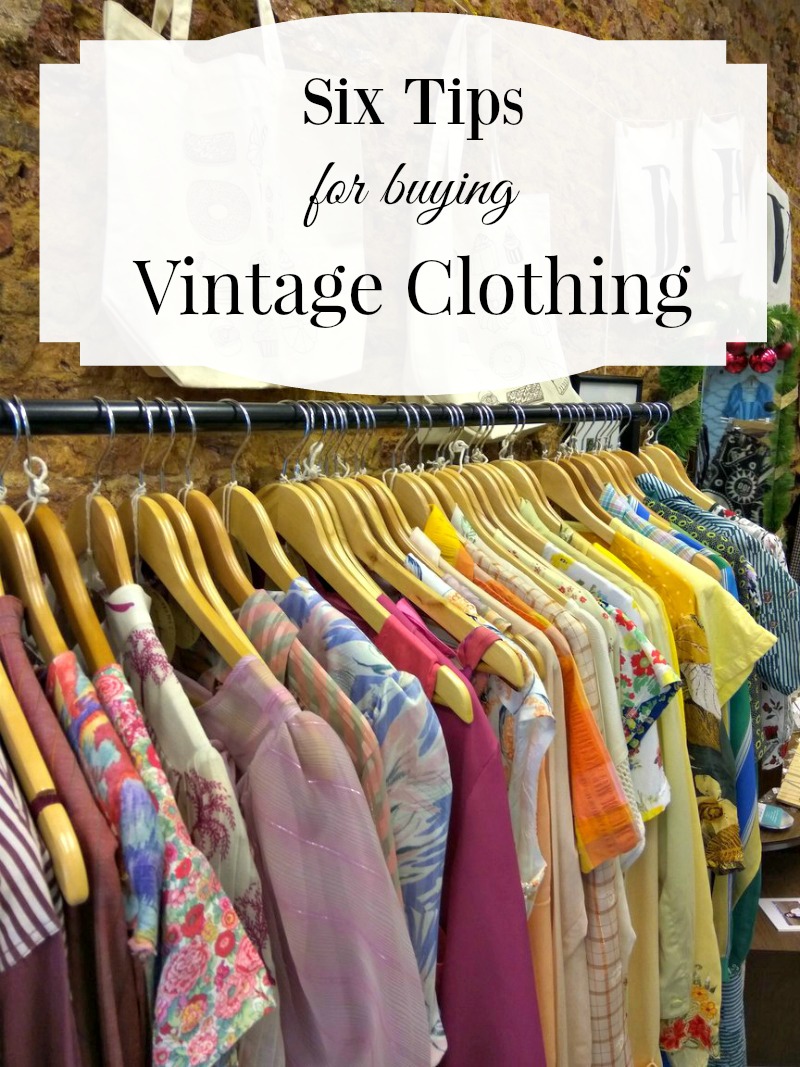
Sometimes, you will find the word "vintage" pop up in marketing campaigns or even in retail outlets purporting to be selling vintage garments. Jasmine advises us to avoid these as most of the time they are mass produced to look like vintage, but wait, what do we look out for when we would like to purchase an authentic vintage garment? Here are Jasmine's top tips:
#1 Styling - vintage styles are conservative, which means no plunging necklines, no sleeveless tops and no rising hemlines. We are talking about prim and proper with high necklines, collars and sleeves.
 |
| Modest necklines |
#2 Silhouette - modesty rules when it comes to the silhouette and we definitely won't see very tight ones in a vintage garment.
#3 The Little Details - remember to always look on the inside of the garment - look at the finishing and you might find that the item is handmade and sometimes made without a sewing machine; look for good tailoring. Vintage items usually have metal zippers, large seam allowances to enable adjustments in the future (ie. wider girth!) and good finishings like French seams.
 |
| Hand sewn |
#4 The Print - the type of print will indicate which period the piece is from. Very fine details in the print usually means that the fabric was printed with machine rather than painted by hand.
 |
| Colourful prints |
#5 Read the Labels - if it's handmade it won't have a label but if it does, read it carefully. Things to spot are where it was made in (ie not in a developing country), and use of natural materials (synthetics were not as common then and more expensive) and no blends,
#6 Rich History - vintage doesn't look all the same as there are many defining periods, and history brings a different look to each one.
20s/30s was influenced by jazz and art deco. By the 40s we were at war and because of rationing, styles were limited to simple and less voluminous looks (ie no pleats). The 50s gave way to more feminine looks, and by the time we reached the 60s fun and youthfulness was back in with the mod look. The 70s was all about maxis and the hippy look.
Why Buy Vintage?
"You're buying into history", Jasmine Chee
Not only are you buying into the history, but you are becoming part of the garments story and enriching its narrative. Each vintage piece is one of a kind and exclusive to you - no more embarrassing moments in the office Christmas dinner! You are also buying something that is of good quality and has detailed finishing that you won't be able to find in today's retail outlets.
Clothes with Stories
My favourite moment of the interview was when Jasmine showed the stores vintage qipao / cheongsam and kebaya pieces and the stories behind them. Each piece was tailored and made from beautiful textiles. I learnt how each one was from a different time - high collars for modesty in the 50s to the lower collars and less tight fitting bodices for the roaring 60s. What got me intrigued though was how did these pieces remain immaculate!
Want to know how to take care of your vintage clothes? Stay tuned for next week's post where Jasmine shares her tips in Part 2 of this post.
Posts You Might Like
Want to know how to take care of your vintage clothing? Check it out here.
Disclaimer - this post is not sponsored and all views are my own.