Moving to a new platform
textile art/ Workshop
It's been a while since my last blog post, but that's because I have been moving to a new platform - finally took the plunge after years of procrastination !
It's done, and I would appreciate it if everyone could follow me on my new platform. Thank you for all your support.

It's done, and I would appreciate it if everyone could follow me on my new platform. Thank you for all your support.
Art of Noticing in Club Med Tomamu
 nature/
textile art/
Workshop
nature/
textile art/
Workshop

One of the key things to slowing down is to stop, look and observe. It means taking away (or even hiding) your phone and camera, and taking the time to notice things around you. I was introduced to Rob Walker's book "The Art of Noticing" by my friend, Shiyun just a few months ago, and it was very timely too as I was preparing for my nature workshops that I was invited to conduct by VSS at the Green Beats festival at Club Med Tomamu. With such busy lives we lead, I thought it very apt to have workshops that not only explored my creative process, but also allowed the participants to relax and start noticing in their lives too!
A Piece of String
Walker's book has a variety of noticing exercises that help the creative process, the simplest being just taking a different route to work, or looking up instead of down. I always carry a sketchbook and pen when I'm out and about, but when in a creative moment, my favourite tool is not the pen and paper, but string! A piece of string helps you focus your attention on an interesting spot, and if you don't know what to sketch? Just throw it up in the air and see where it lands. Surprise yourself.

Nature's Art Brushes at Club Med Tomamu
I encouraged my participants to explore nature through sketching, and then translating them into a collage on a cushion cover. We were very fortunate to find a scenic walk (just a few minutes away from the amazing resort) which ended in a forest! It was a very immersive workshops - everyone, including the 7 year old, was busy sketching before we headed back to Club Med for tea and painting.


I love how everyone's works come out different but beautiful all the same!
Hapazome Workshop, Club Med Tomamu
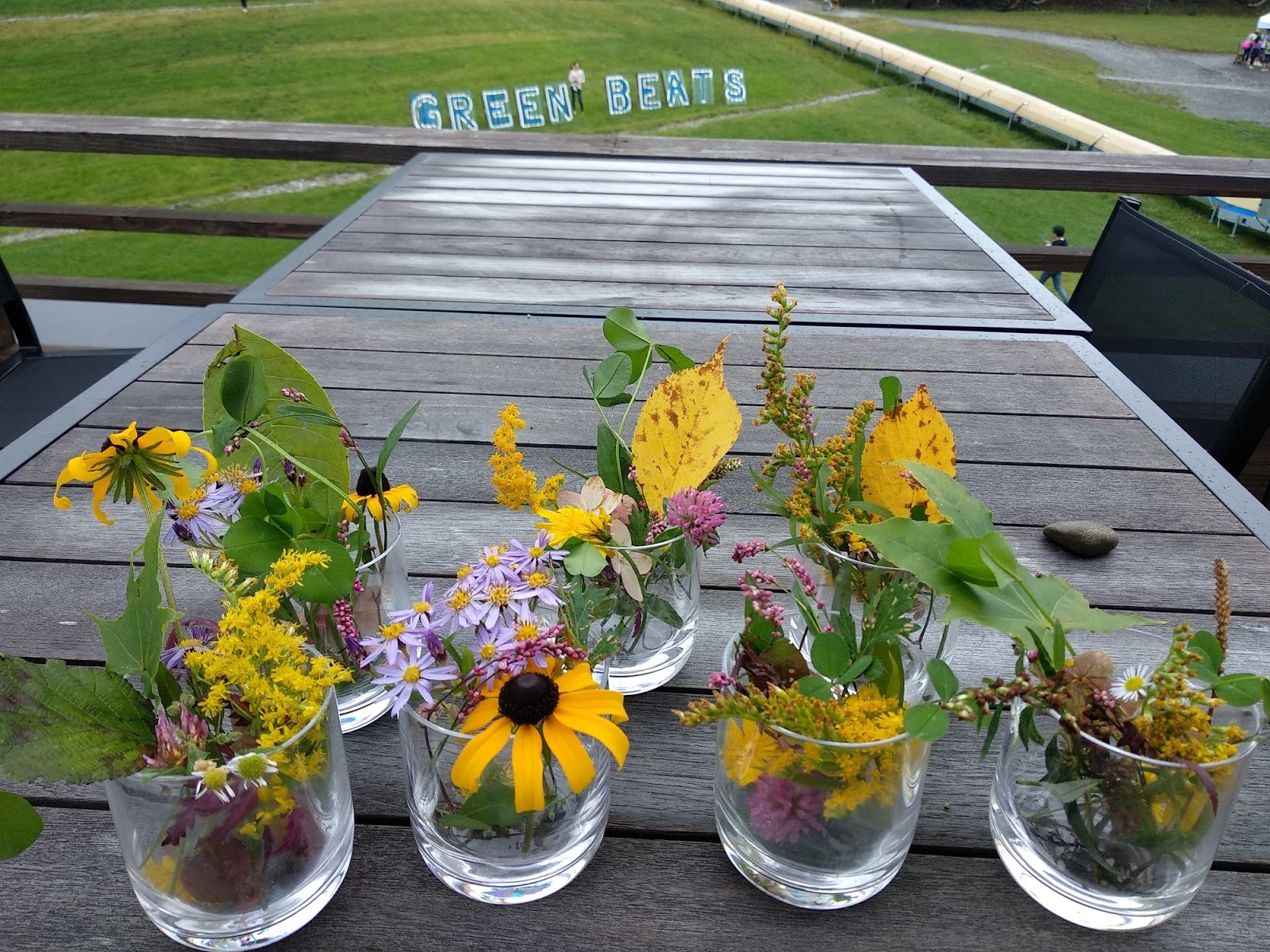
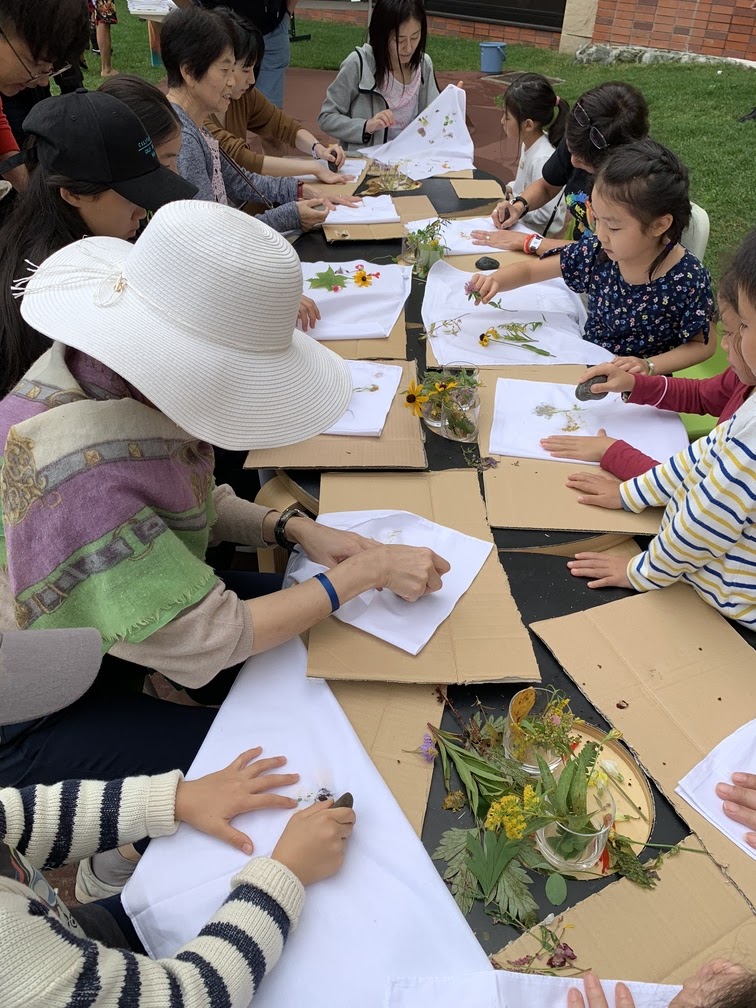
The other workshop that was held at Green Beats was hapazome. It was geared more towards children but we also had adults who were keen on taking part. Wild local flora were taken from the nearby walking trails (including the golden rod, aconitum sachalinense ssp. yezonense, mysotis sylvatica and achillea millefolium)

It was a great opportunity to share with the participants about the importance of nature! And, it was a wonderful moment for them to let off some steam with the pebbles - pound away!

Thank you to Jacqui Hocking of VSS for the wonderful opportunity to explore Hokkaido, and inviting me to take part in Green Beats by Club Med Tomamu. Special thanks to Bamboo Straw Girl, Melissa, for helping me out at the workshops and taking all the great photos. Big thanks to Hermes Huang for finding out the names of all the flowers we came across during our first few days at the resort. Thank you also to Kenta of Club Med for being the translator.
Basic Free Motion Embroidery Workshop
free motion embroidery/ textile art/ Workshop
I've finally decided to take the plunge. After requests from friends and my readers, I will be having my first free motion embroidery workshop in Singapore! It will be happening on 18 August at The Fashion Makerspace.
It's all about breaking the rules!
Want to break the rules when using a sewing machine? Are you longing to sew something other than a straight line? Then Free Motion Embroidery (FME) is for you! Join this informative yet practical class run by Agy Textile Artist. At the end of the session, everyone gets to take home your own free motion embroidered tea towel! This is a workshop where you can unleash your creativity – no need to stay within the lines! Templates will be given for the design, but feel free to bring your own.
Participants must know how to operate a sewing machine and be confident in machine sewing. For ages 12 and above.
This is an introduction to free motion embroidery technique.
What You’ll Learn:
How to set up a basic sewing machine for FME
Basic FME techniques
How to create a basic FME applique design
What You’ll Learn:
Feel free to bring any cotton scraps
Classes start on time, please arrive 5 mins early if possible. This class will only start if there are a minimum of 4 participants.
ABOUT AGY:
Agatha Lee (Agy) is a textile artist interested in the interactions between people and the natural environment, and how this relationship can be improved. Her work is mostly process-based, and she works with textiles, primarily by creating textile collages incorporating her observations through stitching (hand and free motion embroidery) and marking. Her current work looks at making the unseen visible to the community, enabling them to appreciate nature. Her work has been exhibited at The Festival of Quilts (UK) and The Knitting and Stitching Show (UK).
Almost Scammed - How to Spot an Email Art Scam
textile art
Yes, I almost fell into the trap. They sent me an email with the title "I want to purchase your artwork", so of course I had that moment of happiness (and feeling of being accepted!) and clicked the email. It read,
"I would like to make an immediate purchase of your artworks. Also let me know if you accept credit card as method of payment."
I replied and asked which pieces would he/she be looking at. The person then expressed interest in 2 pieces from my instagram account, to which I reply with all the details including price, payment and complimentary shipping (assuming the person is based in Singapore). The total cost of the artwork is SG$220.
It then gets really weird, because the person responds with a longer email stating,
"I am interested in the pieces and I'm ready for immediate purchase and my private mover will pickup the piece from your location once the payment is made. I would like you to make additional custom purchase link of $405.00 which my private mover charges for the pickup, shipping of the piece and also moving of our other personal effects to our beach house where we are celebrating our wedding anniversary. All you have to do is to deduct the due amount for the piece and remit the
additional shipping fees to my shipping agent through PayPal in order for them to schedule the pickup from your location. Kindly get back to me as soon as possible so I can make the payment today.
Thank You."

Well, the person was polite, but the thing that stuck out like a sore thumb is "All you have to do is to deduct the due amount for the piece and remit the additional shipping fees to my shipping agent through PayPal in order for them to schedule the pickup from your location. "
Why would I pay $185 to ship my own artwork to a potential buyer? Initially, I thought it was some sort of mistake, but then when I started typing my response, my instincts kicked in and I immediately thought, "It's a SCAM!". I quickly googled and lo and behold, yes, it was a scam. I didn't even bother to reply.
What Should You Look Out For?
a) They want you to send money to them for shipping (or other things)
b) It's an immediate purchase
c) They don't tell you in the first instance which pieces they would like to purchase. This is what happened in my case - they just sent an email saying that they would like to purchase my art and that was it. Nor did they say that they were textile art lovers or art lovers in general.
d) When they did send me the images of pieces they were intending to buy, they had chosen close up shots of the creations. That should have set my alarm bells ringing in the first instance!
What other tips do you have on how to spot an art scam?
"I would like to make an immediate purchase of your artworks. Also let me know if you accept credit card as method of payment."
I replied and asked which pieces would he/she be looking at. The person then expressed interest in 2 pieces from my instagram account, to which I reply with all the details including price, payment and complimentary shipping (assuming the person is based in Singapore). The total cost of the artwork is SG$220.
It then gets really weird, because the person responds with a longer email stating,
"I am interested in the pieces and I'm ready for immediate purchase and my private mover will pickup the piece from your location once the payment is made. I would like you to make additional custom purchase link of $405.00 which my private mover charges for the pickup, shipping of the piece and also moving of our other personal effects to our beach house where we are celebrating our wedding anniversary. All you have to do is to deduct the due amount for the piece and remit the
additional shipping fees to my shipping agent through PayPal in order for them to schedule the pickup from your location. Kindly get back to me as soon as possible so I can make the payment today.
Thank You."
Well, the person was polite, but the thing that stuck out like a sore thumb is "All you have to do is to deduct the due amount for the piece and remit the additional shipping fees to my shipping agent through PayPal in order for them to schedule the pickup from your location. "
Why would I pay $185 to ship my own artwork to a potential buyer? Initially, I thought it was some sort of mistake, but then when I started typing my response, my instincts kicked in and I immediately thought, "It's a SCAM!". I quickly googled and lo and behold, yes, it was a scam. I didn't even bother to reply.
What Should You Look Out For?
a) They want you to send money to them for shipping (or other things)
b) It's an immediate purchase
c) They don't tell you in the first instance which pieces they would like to purchase. This is what happened in my case - they just sent an email saying that they would like to purchase my art and that was it. Nor did they say that they were textile art lovers or art lovers in general.
d) When they did send me the images of pieces they were intending to buy, they had chosen close up shots of the creations. That should have set my alarm bells ringing in the first instance!
What other tips do you have on how to spot an art scam?
Discovering Batik and Its History
 batik/
fast fashion/
textile art
batik/
fast fashion/
textile art
What do you think of when the word "batik" pops in your mind?
For me it used to be associated with beach resorts, tie dye (I have no idea why!) and South East Asia - rather cliche, right? After many years of being in Singapore, I learnt more about batik through Tony Sugiarta, the owner of ANerd Gallery, an art platform that focuses on batik textiles and artist.
Two months ago, Tony gave a talk on batik at Fashion Revolution Singapore x The Green Collective SG and I discovered a fascinating world of motifs, colours and history. Batik textiles are made by using the cantik and wax to create a resist on cotton fabric. Once this resist pattern is created, it is dipped into a dye vat and then dried before the wax is removed. The process can be repeated to create layers of depth with different colour and motifs. You might see batik being sold at extremely low prices, but this is because they were most likely made and printed on machines - Tony explained to us that the way to tell the difference is to flip the fabric over onto the wrong side and you will find that the colours of machine printed batik have not seeped through, thus having a duller look. On the other hand, the colours of hand-painted batik seep through the fabric and the intensity of the colours are the same on both sides! A piece of batik (at least a meter long) can take several months to complete by hand.
Influenced by History
During the talk, I discovered that the motifs on the batik has changed over the years in Indonesia. These were influenced by when and where the artist lived, as well as the artists' ethnicity.
Tony explained that the mega mendung batik was influenced by the Chinese paintings of clouds. I can definitely see that, and I love how they added depth to it too. I wonder how long this took?

If you can recall your world history class in secondary school, the Dutch controlled Indonesia for over three centuries, so there were also Dutch influences . The use of more European floral motifs in the batik work was common too - batik buketan - buketan comes from the Dutch word "boeket" which means bouquet in English.

Influenced by Region
One of the fascinating things of batik textile art is that when you move from region to region, the colours and motifs change. I learnt about Batik Tiga Negeri, where 3 Indonesian states (Lasem / Pekalongan / Java Solo) were involved in the batik process of this art. The journey of the cloth would start in Lasem with Peranakan Chinese who would create and apply the wax patterns before going onto Pekalongan for the colours to be applied. The cloth would then be transported to Java, Solo where more traditional Javanese motifs would be used. I find this interesting because it allows each area to be experts in one thing, but by collaborating, they create the most expensive yet most beautiful work of art. And, by the way, it can't be copied due to the intricacies of each stage!

I had a great time learning from Tony. If you want to find out more you can go to his website - he hosts tours to Indonesia, workshops and even sessions on how to wear your own batik!
For me it used to be associated with beach resorts, tie dye (I have no idea why!) and South East Asia - rather cliche, right? After many years of being in Singapore, I learnt more about batik through Tony Sugiarta, the owner of ANerd Gallery, an art platform that focuses on batik textiles and artist.
Two months ago, Tony gave a talk on batik at Fashion Revolution Singapore x The Green Collective SG and I discovered a fascinating world of motifs, colours and history. Batik textiles are made by using the cantik and wax to create a resist on cotton fabric. Once this resist pattern is created, it is dipped into a dye vat and then dried before the wax is removed. The process can be repeated to create layers of depth with different colour and motifs. You might see batik being sold at extremely low prices, but this is because they were most likely made and printed on machines - Tony explained to us that the way to tell the difference is to flip the fabric over onto the wrong side and you will find that the colours of machine printed batik have not seeped through, thus having a duller look. On the other hand, the colours of hand-painted batik seep through the fabric and the intensity of the colours are the same on both sides! A piece of batik (at least a meter long) can take several months to complete by hand.
Influenced by History
During the talk, I discovered that the motifs on the batik has changed over the years in Indonesia. These were influenced by when and where the artist lived, as well as the artists' ethnicity.
Tony explained that the mega mendung batik was influenced by the Chinese paintings of clouds. I can definitely see that, and I love how they added depth to it too. I wonder how long this took?
If you can recall your world history class in secondary school, the Dutch controlled Indonesia for over three centuries, so there were also Dutch influences . The use of more European floral motifs in the batik work was common too - batik buketan - buketan comes from the Dutch word "boeket" which means bouquet in English.
On a sad note, during WWII, the creations of batik took a turn for the worse, but as Tony explained, the pieces were still beautiful. Due to rationing and a limited supply of fabric and colours, the pieces were passed between artists to create batik that had different styles and colours - a mosaic! Who knows, each artist may have imparted a different story to the piece, creating an interesting story!
Influenced by Region
One of the fascinating things of batik textile art is that when you move from region to region, the colours and motifs change. I learnt about Batik Tiga Negeri, where 3 Indonesian states (Lasem / Pekalongan / Java Solo) were involved in the batik process of this art. The journey of the cloth would start in Lasem with Peranakan Chinese who would create and apply the wax patterns before going onto Pekalongan for the colours to be applied. The cloth would then be transported to Java, Solo where more traditional Javanese motifs would be used. I find this interesting because it allows each area to be experts in one thing, but by collaborating, they create the most expensive yet most beautiful work of art. And, by the way, it can't be copied due to the intricacies of each stage!
I had a great time learning from Tony. If you want to find out more you can go to his website - he hosts tours to Indonesia, workshops and even sessions on how to wear your own batik!
Exploring Stitch Meditation
 free motion embroidery/
natural dyes/
stitch meditations
free motion embroidery/
natural dyes/
stitch meditations
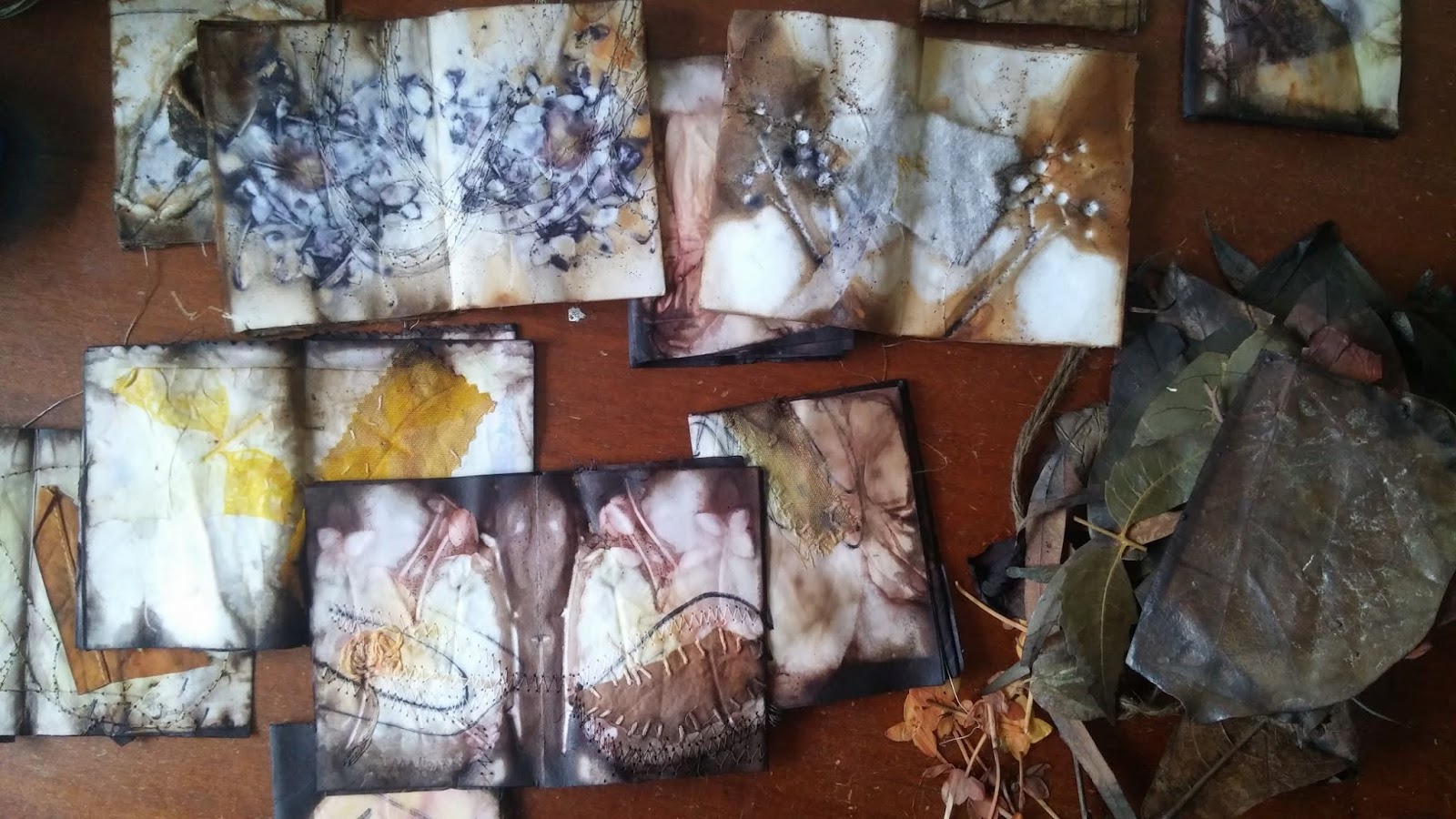
Stitch Meditation does not have to be restricted to fabric. You can try other media as well. In fact, I decided to upcycle my stash of paper and fabric scraps. There's always a way to reuse them in the most interesting way, and stitch meditation and upcycling them into little booklets was perfect. Inspired by India Flint, I scribbled, I stitched and I folded. And then I eco-printed. As some of you may know, I had posted on my instagram what my freezer looked like - basically a garden waiting to be cleared out.


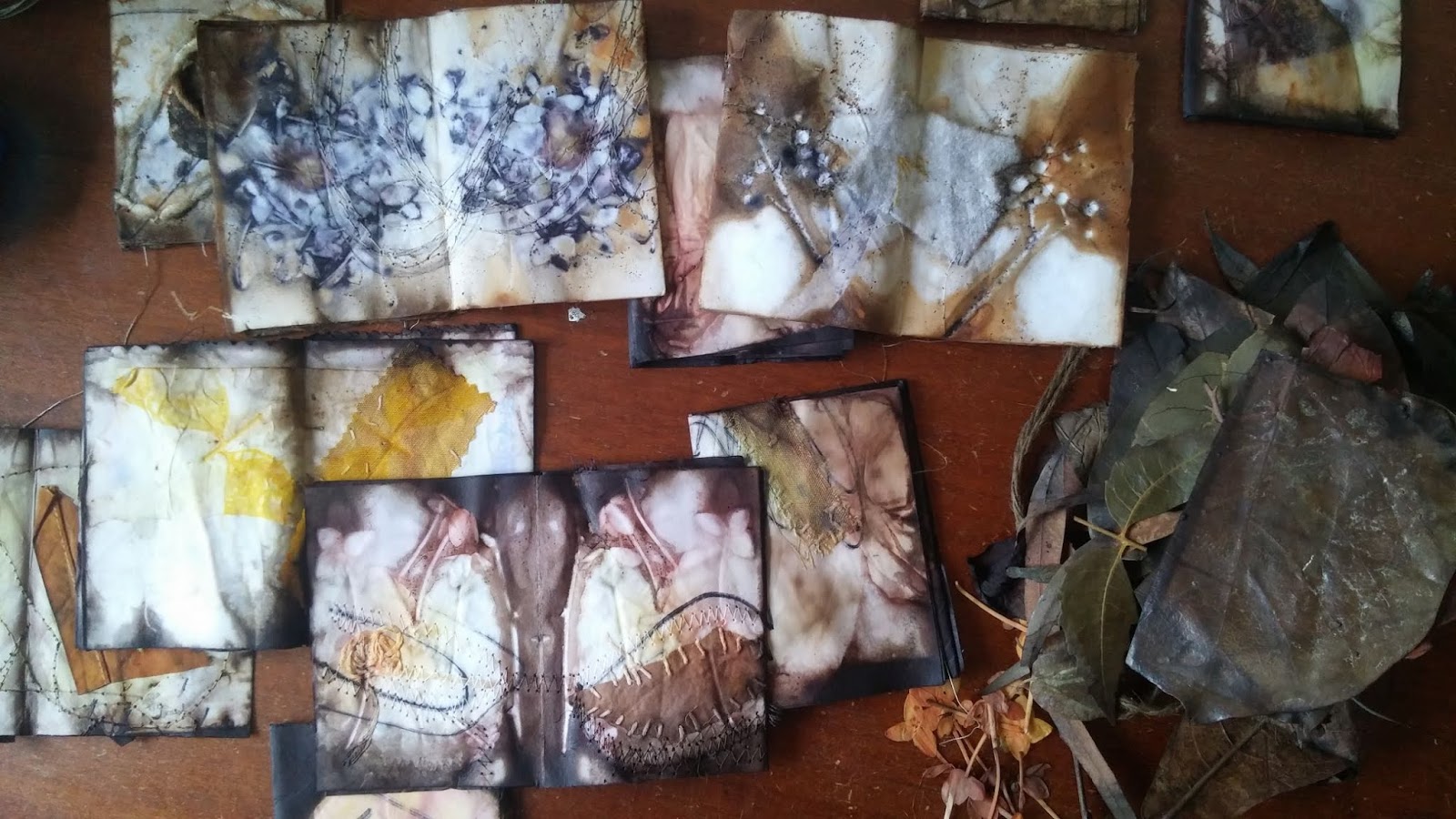
I used bits of paper scraps, natural fiber fabric scraps (naturally dyed, some just plain) and then I raided my freezer and slipped them in between the folds of the stitched booklets before tying them up into bundles. I used a brick to make sure everything was held in place.
Plants used:
- eucalyptus
- rambutan and neem leaves (from The Tender Gardener)
- betel nut (from Cultivate Central)
- lotus leaf (from Native)
- ixora
- bougainvillea
- rose petals (waste from a shop opening)
- strawberry tops (from our food waste)
The 2 stacks were boiled in separate pots for about 30 minutes - the bricks were too big for me to put into one pot - before being cooled down and left for about 2 days.
I love how the colours in the 2 stacks came out different and this was very obvious with the way the ixora turned out as you'll see in the videos below. Please excuse the way the videos turned out - I realised I was speaking way too slowly and having you sit through 20 minutes of boring monologue would be painful.
Next steps will be to sew all these beautiful booklets together!
Next steps will be to sew all these beautiful booklets together!
Hapazome Aprons - A Collaboration with Native
 natural dyes/
upcycle
natural dyes/
upcycle
Good work takes hard work.
And good work takes time!
Last year I was approached by zero waste bar, Native, to create a series of prints and patterns on fabric for their new aprons. They were creating a new menu and thought it would be opportune to tie it in with a new look that was upcycled too. Mind you, I had some lovely Egyptian cotton sheets from a 5 star hotel that needed some upcycling as well. I was super excited to be working with Native because they had the same sustainable philosophy as me - use what you need and close the loop! They were using natural and, where possible, foraged ingredients, and composting their waste. It's really exciting to see their Instagram posts where they post their daily waste - which sometimes can fit one a small kitchen scale!!
Native passed me their ingredients from their garden and food waste and I got working. There were things like blue pea, borage and even tarragon. It took a while for me to get the hang of it but I managed to have the plants imprinted with the hapazome technique onto the mango leaf dyed fabric. And soon, I had this golden yellow with prints on. The final touch was the free motion embroidery.
 These were the eventual pieces of fabric that were sent to be made into aprons.


I hope you can see the embroidered details. The fabric was less absorbent than expected and so I ended up with prints that were not so defined. I think it was because the count of the fabric was higher and more fine than a handkerchief (which is what I normally dealt with in hapazome workshops). Nevertheless, we were both happy with the outcome, and I was particularly pleased with the embroidered tarragon flowers.
Fun fact - tarragon is used in cooking steak and gives off this nice licorice like aroma! Native uses them in their cocktails!
And here's the final outcome!
I'm also happy to say that the colours of the hapazome are still there!


Do you like them? I love how the blue base material brings out the yellow of the mango leaf dyed fabric. Let know in the comments!
And good work takes time!
Last year I was approached by zero waste bar, Native, to create a series of prints and patterns on fabric for their new aprons. They were creating a new menu and thought it would be opportune to tie it in with a new look that was upcycled too. Mind you, I had some lovely Egyptian cotton sheets from a 5 star hotel that needed some upcycling as well. I was super excited to be working with Native because they had the same sustainable philosophy as me - use what you need and close the loop! They were using natural and, where possible, foraged ingredients, and composting their waste. It's really exciting to see their Instagram posts where they post their daily waste - which sometimes can fit one a small kitchen scale!!
Native passed me their ingredients from their garden and food waste and I got working. There were things like blue pea, borage and even tarragon. It took a while for me to get the hang of it but I managed to have the plants imprinted with the hapazome technique onto the mango leaf dyed fabric. And soon, I had this golden yellow with prints on. The final touch was the free motion embroidery.
I hope you can see the embroidered details. The fabric was less absorbent than expected and so I ended up with prints that were not so defined. I think it was because the count of the fabric was higher and more fine than a handkerchief (which is what I normally dealt with in hapazome workshops). Nevertheless, we were both happy with the outcome, and I was particularly pleased with the embroidered tarragon flowers.
Fun fact - tarragon is used in cooking steak and gives off this nice licorice like aroma! Native uses them in their cocktails!
And here's the final outcome!
I'm also happy to say that the colours of the hapazome are still there!
Do you like them? I love how the blue base material brings out the yellow of the mango leaf dyed fabric. Let know in the comments!
Self-doubt, Procrastination & Fear
creativity
”Most of us have two lives. The life we live, and the unlived life within us. Between the two stands Resistance.”
I sometimes do, actually, it does creep back out of that dark hole inside me. I get swallowed up by it, and it's an awful feeling. It might seem all good on instagram but deep inside there is a niggling feeling.
2. Hunker down and be consistent - practice your craft. If you are committed to going into the studio at 9am everyday, then DO IT even if you're not working on any project. Just take out a piece of fabric just do some stitches. Get off the internet and DO YOUR WORK! Stay committed.
One part of the book I love is this:
"Someone once asked Somerset Maugham if he wrote on a schedule or only when struck by inspiration. “I write only when inspiration strikes,” he replied. “Fortunately it strikes every morning at nine o’clock sharp.”"
This is so true. Our inspiration doesn't occur like lightening but it happens when we make the effort to practice our craft. We want to become masters!
3. Acknowledge and face resistance - write it down. Face your demons and take them head on! Be organised - understand that art is the process and journey, not always about the product!

- Do you have self-doubt? You won't succeed.
- Do you procrastinate every time you want to start a new piece of work? I'll do it tomorrow (again).
- Do you fear rejection ? No one will buy or appreciate your art.
I sometimes do, actually, it does creep back out of that dark hole inside me. I get swallowed up by it, and it's an awful feeling. It might seem all good on instagram but deep inside there is a niggling feeling.
The War of Art
I recently picked up this book by Steven Pressfield. It was recommended in an art chat group and completely forgot about it until last week when it popped up in my feed again. No, it's not "The Art of War", it's "The War of Art". Mr. Pressfield hits it on the head - I'm holding back, procrastinating, having self-doubt and fear because of RESISTANCE.How do I break from RESISTANCE?
1. Define what you want - my artist friend told me that she writes for 10 - 60 mins a day about her thoughts and how she's going to deal with it. It's a good way to reflect on your practice too. YOU are in charge of your DESTINY.2. Hunker down and be consistent - practice your craft. If you are committed to going into the studio at 9am everyday, then DO IT even if you're not working on any project. Just take out a piece of fabric just do some stitches. Get off the internet and DO YOUR WORK! Stay committed.
One part of the book I love is this:
"Someone once asked Somerset Maugham if he wrote on a schedule or only when struck by inspiration. “I write only when inspiration strikes,” he replied. “Fortunately it strikes every morning at nine o’clock sharp.”"
This is so true. Our inspiration doesn't occur like lightening but it happens when we make the effort to practice our craft. We want to become masters!
3. Acknowledge and face resistance - write it down. Face your demons and take them head on! Be organised - understand that art is the process and journey, not always about the product!
When Do I Start?
NOW!A Continuation of Ocean
 free motion embroidery
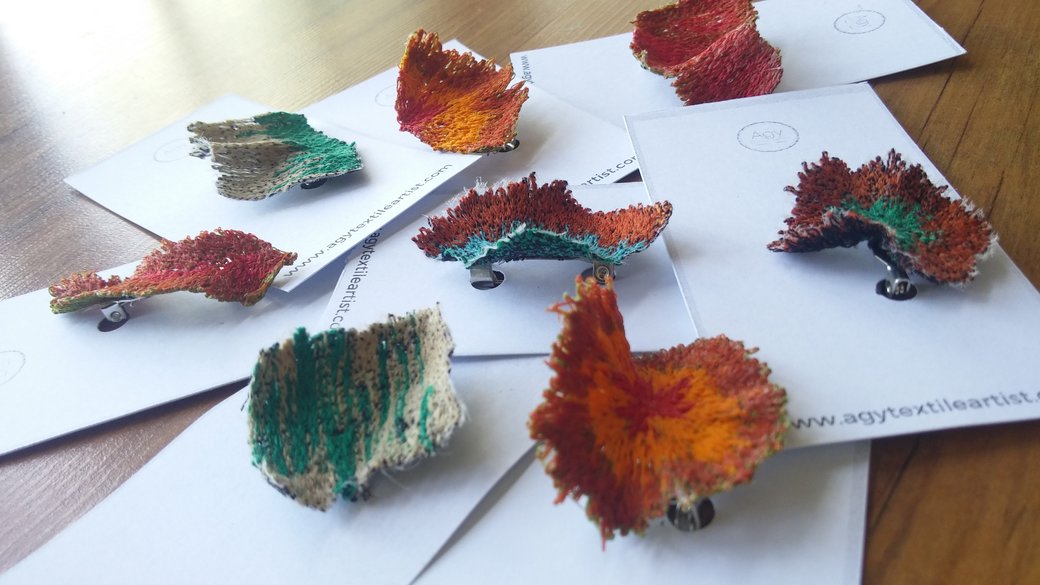
You may recall the coral bowls I was working on post-Green Is the New Black installation. The project slowed down and went on the back burner for a while because I couldn't find a place to have it installed. I eventually decided to not do bowls but instead have them encased in glass. Although the end point is not as intended you can still see the fragility of the corals.
Sometimes things don't turn out how you want them to, but I am sure these coral bowls will eventually find their way back into the light!
These coral pieces will be on display and for sale at The Actually Affordable Art Fair (Camp Kilo) on 7 April (2 - 7pm)

Please enquire for pricing.
Coral brooches - sold out!

Sometimes things don't turn out how you want them to, but I am sure these coral bowls will eventually find their way back into the light!
These coral pieces will be on display and for sale at The Actually Affordable Art Fair (Camp Kilo) on 7 April (2 - 7pm)
Please enquire for pricing.
Coral brooches - sold out!
Making the Invisible Visible
free motion embroidery/ stitch meditations
I spent the first quarter of this year looking at the invisible.
I looked down all the time, but not at my gadget but at the weeds on the ground.
Weeds are a grossly misrepresented plant. We have been taught to get rid of them because they "invade" our manicured gardens and landscaped areas. But did you know that weeds are restoring plants, they bring the trimmed lawns back to their natural state - they are restorative plants. Apparently, weeds lets us know how healthy the soil is - so if you encounter a lot of weeds, instead of reaching out for the weedkiller (actually you shouldn't), it's important to observe and "listen".
Weeds also bring in diversity while monocrops don't, including a variety of insects and pollinators.
I don't have a green thumb, but I do know that diversity is key to a better planet.
The items are for sale at the Actually Affordable Artist Market, 7 April, 2 - 7pm.
4x4" fabric collages, each free motion embroidered.


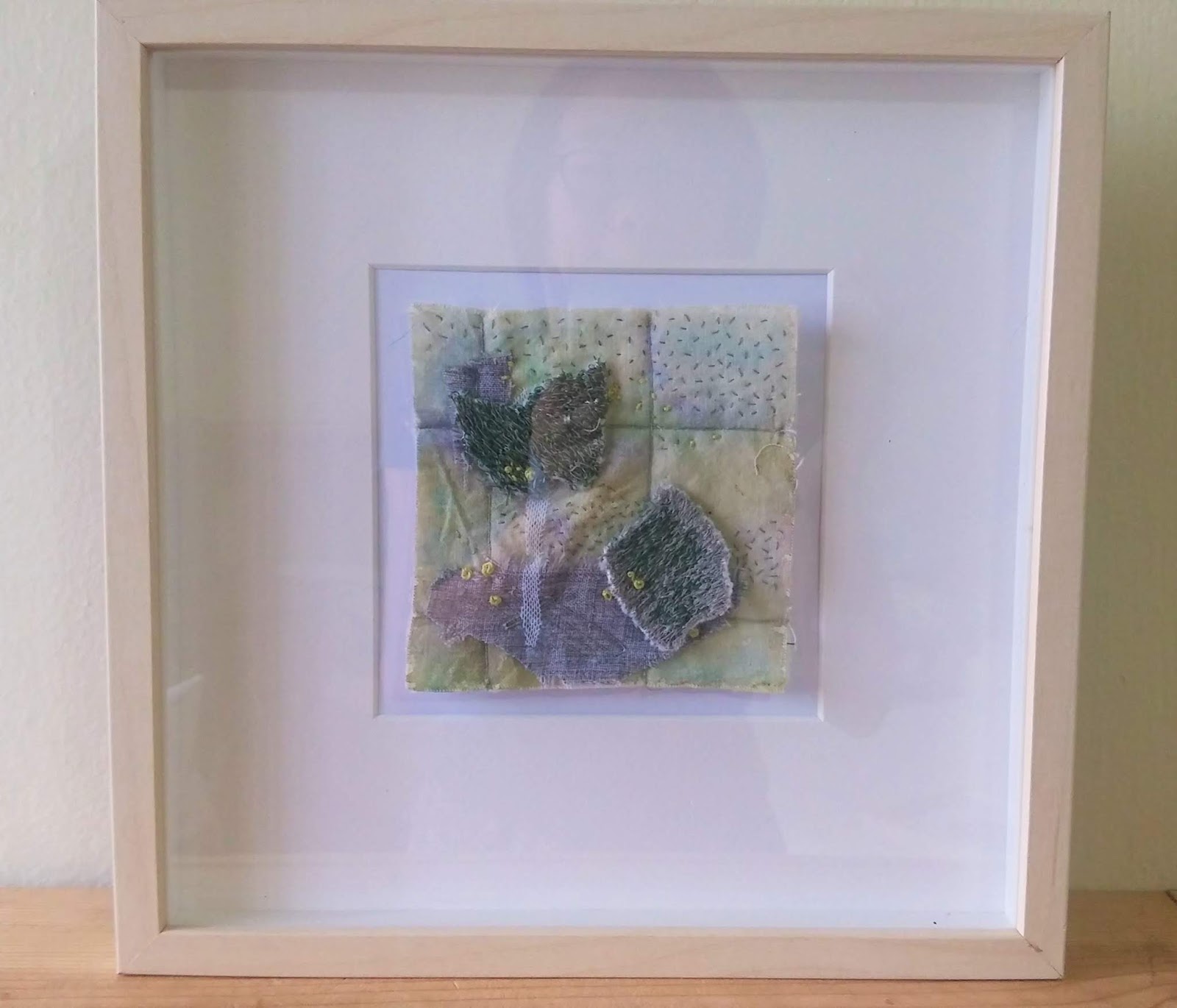


SGD 120
Stitch Meditation Workshop at Earth Hour
stitch meditations/ Workshop
Focus on the present
Focus on your breathing
Connect with yourself and nature.
30 March 2019
6.30 - 730pm
Earth Hour 2019, Event Plaza Marina Bay Sands
Sign up here https://stitchmeditation.peatix.com/view
Join Agy at Earth Hour 2019 as she takes you through a short meditative stitching session, exercises and a brief discussion on the outcome. Agy realised the importance of slowing down and finding your inner tortoise. For her it was discovering things with "new" eyes and translating what she sees into stitch.
Learn how to stitch in a meditative manner.
Learn how to relax.
Learn a new skill!
The aim of this session is not to make product but to bring slow into our lives.
PS. Agy will be using fabric remnants #zerowaste
How to Dye Polyester Using Sublimation
 tutorial/
upcycle
tutorial/
upcycle
The time I tried dyeing synthetic fabrics, I took pre-bought sublimation ink printed sheet of paper and ironed it directly onto the fabric (blog post here). The issue with this is that I had to buy the sheets in advance and unfortunately, the colour faded over time. This meant I had to plan well in advance - sometimes not so good for me!

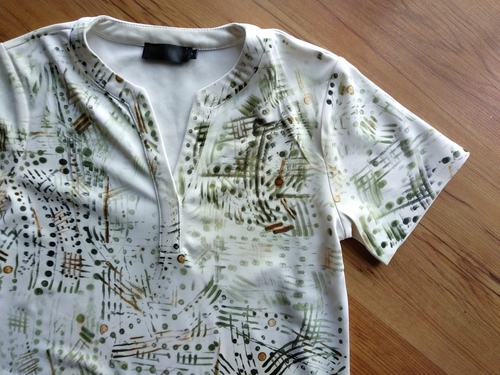
We painted and screen-printed with black and brown dyes.


Dylon iDye Poly
Christine of Rhinesticknickknacks showed me a packet of iDye Poly from Dylon. On the packet it says it's suitable for polyester and nylon fabrics. We decided to give it a go and followed this tutorialWe painted and screen-printed with black and brown dyes.
What we liked
- Only needed small amounts of the powder were needed with the thickener (we used alginate) - less than a teaspoon to about three tablespoons of the alginate - but the more powder we added, the darker the paste.
- Because it was made into a paste, we were given the artistic licence to do absolutely anything with it on paper - screen print, paint or do printing on a jelly plate!
- Varied levels of pressure and heat enabled us to get ghost prints and different intensities of the desired pattern. If you're looking at achieving depth and layers then this is for you.
What we didn't like
- There's a tendency to make too much, so it can get wasteful, but you can put it in the fridge (sealed in a jar and labeled!)
- One piece of paper can do roughly 2 prints depending on how heavy handed you are with the hot iron. So unless you like ghost prints, then you'll need to use a lot more paper (or maybe get bigger sheets) if you are printing large amounts of fabric.
- It's hard to replicate if you are thinking of doing a batch of the same print.
- What you see is not what you get - sometimes the colours were too faint. I think it takes a bit more experimentation to achieve you want. Here's what we had done as an experiment with black and brown. The black turned out green and the brown was a nude colour. Different from expectations!
I think I would use sublimation only for layering effects which are useful in fabric collages. It will definitely take a bit more experimentation. Have you tried this technique? Let me know your thoughts.
Stitch Meditation
creativity/ Slow clothing/ stitch meditations
First week into 2019 - how is everyone feeling? Before we wrapped up 2018, I came across this relaxing, yet very creative process called Stitch Meditations. It is a bit like doodling in your sketchbook, but think of it more of doodling with thread. As Liz Kettle in the video says, there are no rules, or boundaries, just go with the flow and see what you come with.
Stitch Meditations with Liz Kettle from Liz Kettle on Vimeo.
I have cut my batch of 4 by 4 inch squares of cotton muslin and have started to set aside time to create a tiny collage. Sometimes I spend 15 mins, sometimes an hour or more. It really depends on my mood, but at least I'm practising my skills. You may notice that I don't use more than a handful of stitches - they are just straight running stitches, sometimes a few back stitches, but most of the time just running. I send the one direction and then back the other depending on how I feel or how the piece of fabric speaks to me.
Start somewhere! This was very important advice from Liz. Have the squares all pre-cut, put them in a box and you won't have the excuse of not having starting. The blank canvas is ready to be stitched on!
2. Limit your scraps and sewing thread to a few
I limited myself to 4 colours of thread and 2 weights, 12 and 30. I grabbed a handful of scraps and put them in a box and that's all I was going to use. If you have too many choices, you'll end up wandering all over the place! Remember the power of limitations!
3. Dedicate a certain time for it
You know you! It doesn't matter when is best, only you will know!
This is what I've done so far, and I find it useful to do this concurrently with my walks and observation recordings in my sketchbooks. The best thing about it is you can carry your project anywhere with you! How fab is that?


Stitch Meditations with Liz Kettle from Liz Kettle on Vimeo.
I have cut my batch of 4 by 4 inch squares of cotton muslin and have started to set aside time to create a tiny collage. Sometimes I spend 15 mins, sometimes an hour or more. It really depends on my mood, but at least I'm practising my skills. You may notice that I don't use more than a handful of stitches - they are just straight running stitches, sometimes a few back stitches, but most of the time just running. I send the one direction and then back the other depending on how I feel or how the piece of fabric speaks to me.
So how did I get started?
1. Pre-cut your squaresStart somewhere! This was very important advice from Liz. Have the squares all pre-cut, put them in a box and you won't have the excuse of not having starting. The blank canvas is ready to be stitched on!
2. Limit your scraps and sewing thread to a few
I limited myself to 4 colours of thread and 2 weights, 12 and 30. I grabbed a handful of scraps and put them in a box and that's all I was going to use. If you have too many choices, you'll end up wandering all over the place! Remember the power of limitations!
3. Dedicate a certain time for it
You know you! It doesn't matter when is best, only you will know!
This is what I've done so far, and I find it useful to do this concurrently with my walks and observation recordings in my sketchbooks. The best thing about it is you can carry your project anywhere with you! How fab is that?
PS - there is a Stitch Meditation facebook group if you're keen to join!
Eco Printing with Leaves #2
 botanical prints/
eco dye/
eco print
botanical prints/
eco dye/
eco print

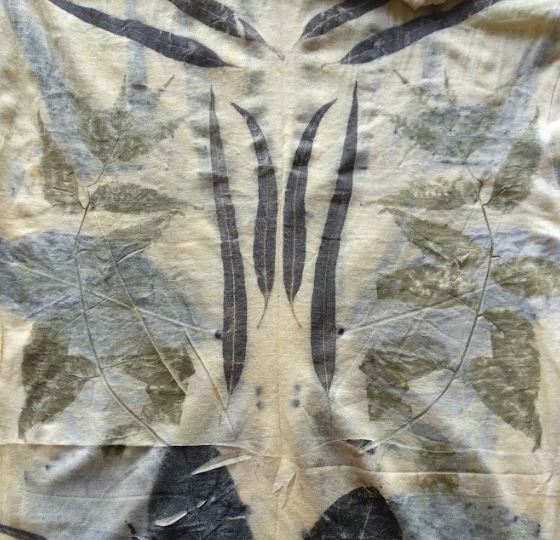
Recently, I've been obsessed with trying to get the leaf prints (aka botanical prints) to just print well and clearly. Most of the time it's either been a bit of a blur or the unexpected happens. It's all part of the process, but we do sometimes want to have a good print especially when it's going to be on some clothing.

I found the iron soak method gave more defined prints as shown above with eucalyptus, neem and rambutan. It really depends on what effect you would like so take your pick, and remember, each unroll is like opening a present. Read more about Tips on Creating Botanical Prints
Eco Printing - Leaves in the Rain
eco dye/ eco print/ free motion embroidery/ natural dyes
Being an artist means observing things that others don't notice.
The small shoots growing on the kerbside, the tufts of grass struggling for sunlight between the tiles, and the flowers scattered all across the pavement from a tree in full bloom. I begin to see how our natural and humans are "living together" maybe not in perfect harmony, but perhaps trying?

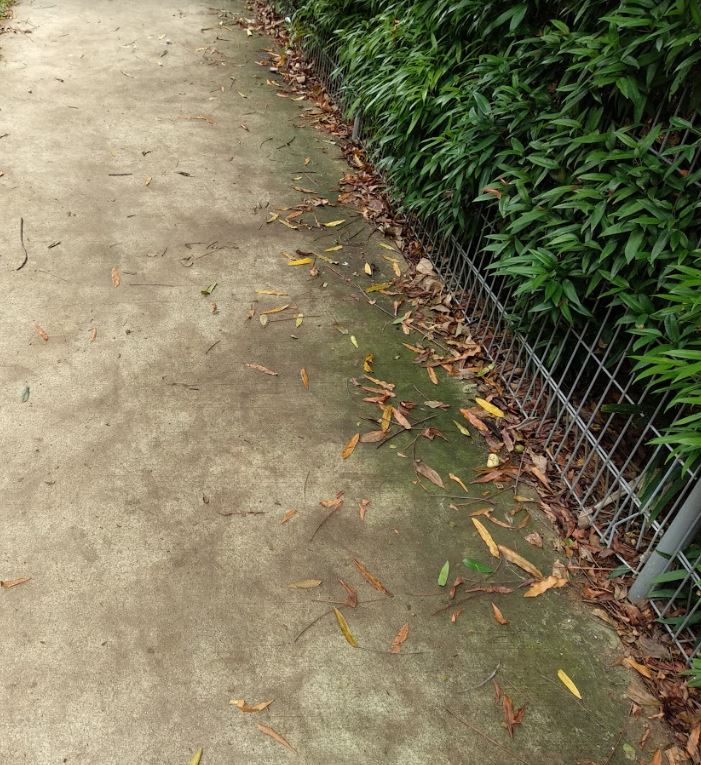

I wanted to translate and communicate this interaction of nature's marking on our lives through an eco-printed and embroidered piece. I had experimented with ecoprinting but wanted to produce a more subtle and grey look on the piece. This involved using more diluted iron solution to give a gentler washed out look. Once the eco-printing was complete, the piece was then layered with hand and freemotion embroidery - this alludes to the complexity behind nature's interaction with us.


The small shoots growing on the kerbside, the tufts of grass struggling for sunlight between the tiles, and the flowers scattered all across the pavement from a tree in full bloom. I begin to see how our natural and humans are "living together" maybe not in perfect harmony, but perhaps trying?
Finding My Inner Tortoise
I recently wrote about how slowing down allows me to draw my attention to these tiny details. Taking a walk through the park or even just deliberately looking at things that I wouldn't normally look at has drawn me to sketching and translating them into stitch. I think I can now say that I am no longer tree blind! (pssst - put down that phone!)The Wet Season
It's been really wet in the last part of the year in Singapore. If you walk past a eucalyptus tree, you'll notice how the leaves make marks on the pavement after a heavy downpour. It's nature way of communicating with us. After another period of rain, the tannin marks get washed away and new marks get made in their place - different patterns reflecting different moods of the weather!I wanted to translate and communicate this interaction of nature's marking on our lives through an eco-printed and embroidered piece. I had experimented with ecoprinting but wanted to produce a more subtle and grey look on the piece. This involved using more diluted iron solution to give a gentler washed out look. Once the eco-printing was complete, the piece was then layered with hand and freemotion embroidery - this alludes to the complexity behind nature's interaction with us.
The final piece is 100 x 50cm. Fear had held me back for a while before I could complete this, but once I let go and just (as my friend told me) "do it because there's nothing to lose", everything fell into place. Even if it doesn't become something I like, I can always put it away for later or use it for something else. There's always a way!
🌱Leaves in the Rain🌱
100x40cm
Eucalyptus leaves ecoprinted on fabric offcuts.
Handstitch and free motion embroidery
100x40cm
Eucalyptus leaves ecoprinted on fabric offcuts.
Handstitch and free motion embroidery
Community Art Installation - Take Part!
Singapore/ upcycling/ Workshop
I love working with textile waste. Since working at The Green Collective SG, we have noticed the huge amounts of clothing that gets dropped off at the clothes recycling point. You won't believe that we have collected close to 800kg for recycling since April 2018.
My friend Cheryl Lee of Singapore Eco Film Festival decided to create an art installation at the event (2 - 4 Nov) made from all these t-shirts. We are planning to create a panel of Singaporean flowers in the style of Peranakan tiles from the t-shirts.
Would you like to help out?
It's going to be fun!
Check out the dates and let me know which day you are keen to help out in at https://sgeffcoloursofsingapore.peatix.com/view
12 Oct (11am - 5pm)
13 Oct (11am - 5pm)
14 Oct (11am - 5pm) - This will be held at Singapore Sustainability Academy. Details tbc
19 Oct (11am - 5pm)
28 Oct (11am - 5pm)
What are we making?
A 1.5 x 5 m long installation collage made from old t-shirts. We are replicating the flowers of Singapore in the style of Peranakan tiles!
What will we be teaching you?
How to make t-shirt yarn.
How to make the collage
What to bring?
An old t-shirt, any colour
A pair of scissors (if you have a pair!)
All sessions will be held at The Green Collective SG. If any changes are made to the venue, we will inform you via your contact details.

A Pigment of Imagination - TEDx Pickering Experience
natural dyes/ Workshop
Slowing Down
I sometimes feel that if we all slowed down, if we were all very content with life and not chasing after more, maybe things would be different. If you would like to experience what has been going on behind the scenes with my efforts in slowing down, join me for A Pigment of Imagination. This experience session is a collaboration between me and TEDx Pickering and is 8th in a series of experiences.
15 slots only! Sign up here.
[About Adventure]
You might have heard of the slow food movement, but what about slow living? Slow living is all about slowing down. And in this adventure, we join Agatha Lee "Agy" (Agy Textile Artist) on her journey to discover nature's colours, which helped her discover her 'inner tortoise'.
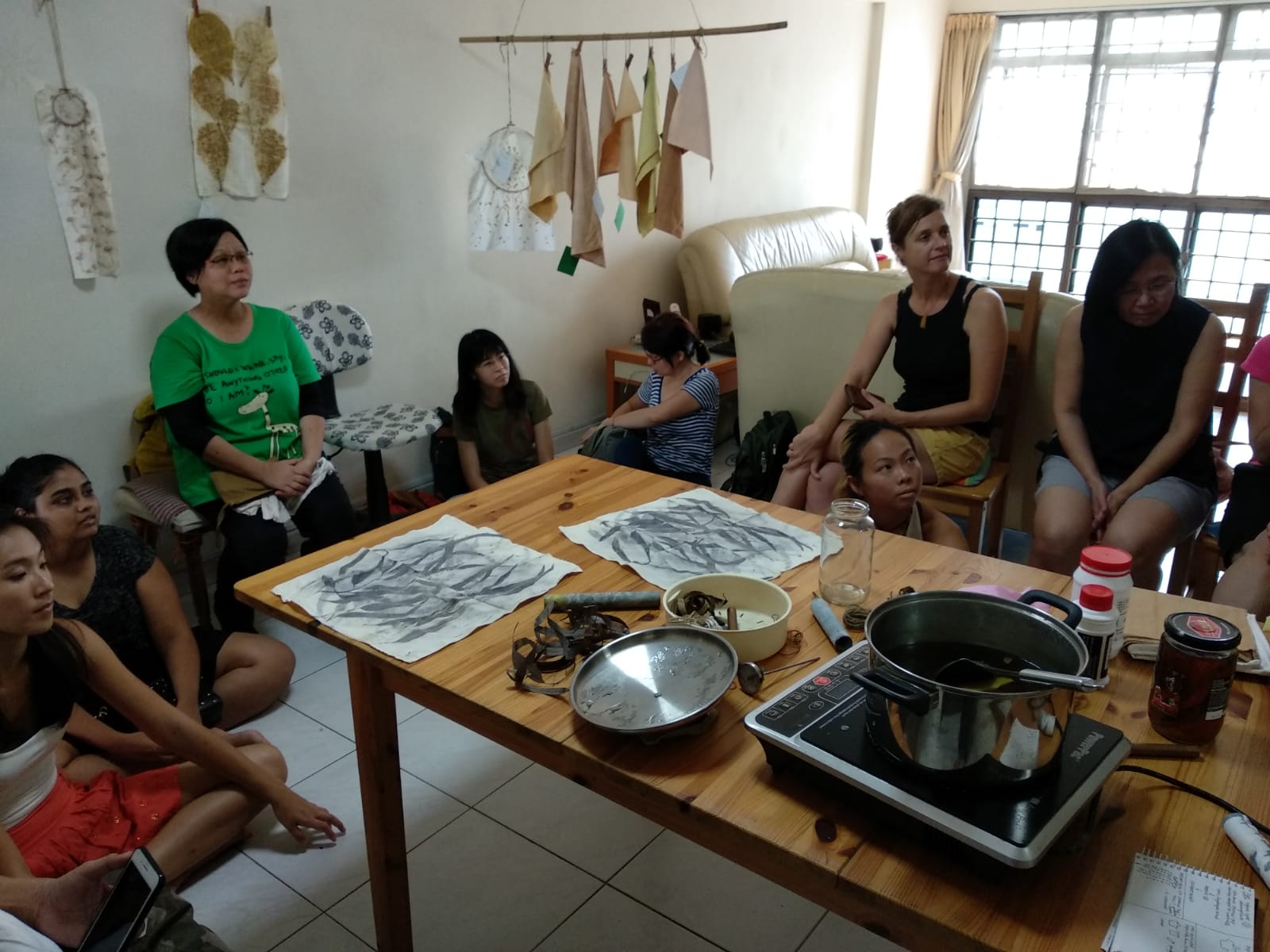
On this adventure, you will learn about the different flora in our own 'backyards', connect with nature and also gain insight on Agy's creative process in transforming these colours of nature into beautiful ecoprints.
[Session includes]
a) exploratory session in neighbourhood park
b) sharing session and demonstration of natural dyeing
We would first meet at Woodlands MRT, before leaving for Mandai Tekong Park!
All of our Adventures are FREE and the $2 collected would be refunded at the door. :)
You can also choose to get a 16 x 16" naturally dyed cotton handkerchief for $26 as a souvenir. Limited to 5 pieces only!
[Things to Wear/Bring]
Comfortable shoes and clothing
Hat
Sunblock
Mosquito repellent
====== This event is made possible by ======
LearnSG Seed Fund, created to help individuals and groups bring learning ideas to life!
https://www.learnnow.sg/seedfund/
Our Singapore Fund aims to support groups of individuals or registered organisations to initiate projects that promote our Singapore Spirit and shared values and build more socially inclusive communities.
Find out more at: www.sg/oursingaporefund